What Your Robot Vacuum’s Name Says About You: A Look into Smart Home Culture
The New Member of the Household: Naming Your Robot Cleaner
In countless homes across the globe, a new, disc-shaped resident is quietly mapping corners and navigating around furniture. The robot vacuum has transitioned from a futuristic novelty to a common household appliance. As these smart devices become integral parts of our daily lives, a fascinating cultural trend has emerged: we are giving them names.
This act of naming is more than a simple label. It signals a shift in our relationship with technology. Many users find that naming their automated helper is a natural, almost necessary step. In fact, the setup process for many of these devices includes a prompt asking the owner to choose a name. This small feature encourages a bond from the very beginning.
Choosing a name for a robot cleaner is a deeply personal and often creative process. The name can be a clever pun, a nod to a favorite movie character, or a simple, human-like moniker. Each choice, however, opens a window into the owner’s personality, their sense of humor, and their perception of the smart device’s role within the home.
This exploration delves into the popular naming trends for robot vacuums and what they reveal about us. From witty wordplay to affectionate pet names, these digital identities reflect a growing smart home culture where technology is not just a tool, but a character in our domestic stories. It’s an evolution in how we interact with the machines that clean our floors and, in a small way, simplify our lives.
The Psychology of Naming an Inanimate Object
At its core, the practice of naming a robot vacuum is an act of personification. We assign human qualities and characteristics to a non-human entity. This is not a new phenomenon. For generations, people have given names to their cars, boats, and other cherished possessions. It creates a sense of kinship and attachment that goes beyond mere ownership.
What makes a robot cleaner particularly ripe for naming is its autonomy. Unlike a traditional vacuum that lies dormant until a person operates it, a robot cleaner moves on its own. It navigates complex environments, plans its own cleaning routes, and sometimes exhibits quirky behaviors like bumping into walls or getting stuck in a corner. These actions create the illusion of a personality, a will of its own.
This perceived personality transforms the device from a passive tool into an active participant in the household. Giving it a name like ‘Alfred’ or ‘Rosie’ solidifies its role as a helper. Naming it ‘Sparky’ or ‘Fido’ can make it feel more like an electronic pet, dutifully roaming the floors. The act of naming makes the entire experience of automated cleaning more interactive and enjoyable.
Ultimately, a name makes the technology feel less alien and more integrated. It becomes a member of the family, a companion in the daily routine of maintaining a home. Whether the name is a joke or a term of endearment, it signifies a level of comfort and acceptance of having an intelligent, autonomous machine sharing our living space.
A World of Wit: The Rise of Funny and Punny Names
One of the most dominant trends in naming robot cleaners is the use of humor. Owners often gravitate toward clever puns, witty wordplay, and inside jokes. This approach turns a mundane appliance into a source of daily amusement and showcases the owner’s creativity and lighthearted nature. It suggests a personality that enjoys finding fun in everyday life.
Puns and Wordplay: The Pinnacle of Cleaning Comedy
A clever pun is a testament to wit, and robot vacuum names are a fertile ground for them. These names often combine a cleaning-related term with the name of a famous person, creating a humorous and memorable identity for the device.
A prime example is ‘Meryl Sweep.’ This name playfully swaps the last name of the highly acclaimed actress with a word that describes the robot’s primary function. It’s a choice that reflects an appreciation for both pop culture and clever wordplay. It suggests an owner who is cultured, witty, and enjoys a sophisticated joke.
Similarly, ‘Dustin Hoffman’ operates on the same principle. It takes a celebrated actor and inserts a cleaning-related word, ‘dust,’ into his name. The name is instantly recognizable and amusing, transforming the robot into a character with a dramatic flair for cleanliness. It implies the owner sees their machine as an award-worthy performer in the theater of domestic chores.
The name ‘Optimus Grime’ is a brilliant take on the heroic leader of the Transformers, Optimus Prime. By replacing ‘Prime’ with ‘Grime,’ the owner recasts their robot as a mighty hero on a noble mission to save their home from the forces of dirt and dust. This choice reveals a playful, imaginative personality with a soft spot for classic cartoons and action figures.
Other celebrity-inspired puns follow this successful formula. ‘Hugh Vacman’ gives the machine a rugged, heroic persona, while ‘Nicole Cleanman’ suggests an elegant and powerful cleaning performance. ‘Keanu Cleans’ implies an unstoppable, efficient machine that gets the job done with the cool intensity of the actor’s famous action roles. For music lovers, ‘Taylor Sweep’ links the robot’s determined path across the floor to a pop star’s unstoppable tour across the country.
Some puns venture into darker, more theatrical territory. ‘Vlad the Inhaler’ and ‘Count Vacuula’ humorously re-imagine the robot as a gothic figure, relentlessly sucking up every speck of dust in its path. These names suggest a dark sense of humor and a love for classic horror tropes, applied in the most unexpected of settings.
Jokes and Humorous Observations
Beyond puns, many names are born from straightforward jokes and funny observations about the robot’s function or behavior. These names often reflect a direct and sometimes sarcastic sense of humor.
‘Dirty Harry’ is a classic example. The name immediately brings to mind the famous cowboy-like movie character, but with a twist. The robot’s mission is not to fight crime, but to take aim at ‘dirty hair’ and other debris. It’s a clever, multi-layered joke that works on several levels.
Another common choice is ‘Cookie Monster,’ inspired by the beloved Sesame Street character. This name is particularly popular in households with children or for owners who are frequently cleaning up crumbs. It humorously reframes the vacuum’s function as ‘eating’ the messes on the floor, turning a chore into a charming and nostalgic reference.
The name ‘DJ Roomba’ is a direct nod to a running gag from a popular sitcom, where a robot vacuum had a speaker attached to it. Naming a device this suggests the owner values fun and wants to associate the act of cleaning with energy and music. It’s a choice that says, ‘I don’t take things too seriously, and I like a good laugh.’
Some names poke fun at the device’s own limitations and occasional mishaps. A name like ‘Home Wrecker’ or ‘Stuck Under a Chair’ humorously acknowledges that these smart devices are not always perfect. These choices reflect a self-aware and forgiving owner who can find the humor in the robot’s clumsy moments.
Echoes of Pop Culture: Robots, Heroes, and Famous Faces
Pop culture provides an endless well of inspiration for robot vacuum names. By borrowing from beloved movies, television shows, video games, and books, owners can imbue their devices with the personality and prestige of their favorite characters. This trend shows how deeply these cultural touchstones are embedded in our lives and how we use them to relate to new technology.
The Droids We’re Looking For: Naming After Famous Robots
It is perhaps the most logical step to name a home robot after a famous fictional robot. This practice connects the real-world device to the imaginative worlds of science fiction, making the futuristic promise of an automated helper feel more tangible.
By a wide margin, ‘Rosie’ is one of the most popular names for a robot vacuum. Inspired by the cheerful, efficient robot maid from the classic cartoon The Jetsons, this name represents a long-held cultural dream of effortless, automated housekeeping. Choosing ‘Rosie’ is often a nod to this optimistic vision of the future, suggesting the owner sees their device as a friendly and indispensable part of a modern home.
Another highly popular choice is ‘Wall-E.’ The lovable, trash-compacting robot from the animated film was designed to clean up the world. Naming a vacuum ‘Wall-E’ reflects an affection for the character’s diligent and unassuming nature. It suggests the owner views their small, hardworking robot not just as a machine, but as a character with a big, important job.
The Star Wars universe offers several iconic droids. ‘R2-D2’ is a frequent choice, reflecting the character’s role as a trusty, resourceful, and unfailingly loyal companion. Just as R2-D2 often saved the day, the robot vacuum is seen as a little hero that saves the owner from the chore of cleaning. It is, as the saying goes, the droid you’re looking for.
Other famous robot names also make appearances. A robot named ‘Terminator’ is humorously tasked with terminating dust bunnies and pet hair. Naming a device ‘Robocop’ playfully frames it as a law-enforcement machine patrolling the home for criminal messes. A name like ‘Marvin,’ from The Hitchhiker’s Guide to the Galaxy, might be chosen for a robot that seems to have a mind of its own, lending it a quirky, if slightly morose, personality.
Domestic Superheroes and Characters
The pool of pop culture names extends beyond just robots. Owners often pick characters known for their helpfulness, magical abilities, or knack for dealing with messes.
The world of Harry Potter is a rich source of inspiration. ‘Dobby’ is a very popular choice. Like the devoted house-elf, the robot vacuum works tirelessly and humbly in the background to keep the home clean. A more direct and punny option is ‘Hairy Potter,’ a perfect name for a device in a home with pets, tasked with the magical feat of making pet hair disappear.
Video games also lend their heroes to the cause of clean floors. A robot named ‘Mario’ is seen as a plucky hero, ready to tackle any challenge. Naming a device ‘Master Chief’ from the Halo series suggests it is a tough, dependable soldier in the war against dirt. A ‘Sonic’ is a fast and efficient cleaner, while a ‘Pac-Man’ is a machine that gobbles up every last speck in its path.
Movie heroes and television characters are also common. An ‘Iron Man’ is a powerful, high-tech machine, reflecting the owner’s appreciation for its advanced technology. ‘Mr. Robot’ is a more meta choice, referencing the popular television show about technology and control. These names demonstrate a desire to link the humble cleaning device to figures of great power and intelligence.
The Service Class: Butlers, Maids, and Household Staff
A significant number of robot vacuum owners lean into the device’s function by giving it a name associated with domestic service. This trend humorously establishes a master-servant dynamic, casting the robot as a formal, dedicated member of the household staff. It’s a whimsical way to acknowledge the robot’s role and adds a touch of classic elegance or comedy to the home.
Classic Butler and Maid Names
Names of famous butlers and maids from literature and screen are among the most popular choices in this category. These names evoke a sense of professionalism, loyalty, and impeccable standards.
‘Alfred’ is a perennial favorite. As Batman’s loyal butler and steadfast confidant, the name Alfred carries connotations of dependability, competence, and quiet dignity. An owner who chooses ‘Alfred’ likely sees their robot as a reliable assistant who works diligently behind the scenes to maintain order.
Another quintessential choice is ‘Jeeves,’ the famous gentleman’s valet from P.G. Wodehouse’s stories. A robot named ‘Jeeves’ is imagined as a sophisticated and intelligent helper, capable of solving any cleaning problem with ease and discretion. This name suggests an owner with an appreciation for classic literature and a touch of old-world charm.
Classic maid names are also extremely common. As mentioned earlier, ‘Rosie’ fits this category perfectly. Other popular choices include ‘Alice,’ the beloved housekeeper from The Brady Bunch, and ‘Hazel,’ the title character from a 1960s television show. These names are nostalgic, evoking an image of a friendly, no-nonsense helper who keeps the household running smoothly.
Some names draw from characters who bring order to chaos in more magical ways. ‘Mrs. Doubtfire,’ the beloved character who transformed a home with love and structure, is a popular pick. ‘Nanny McPhee’ is another, suggesting a helper who can magically tidy up any mess. Then there is ‘Cinderella,’ the fairytale character known for her tireless cleaning, a name that adds a touch of whimsy and charm. A name like ‘Consuela,’ the stoic housekeeper from the show Family Guy, gives the robot a very specific and comical personality.
The Extended Family: Pet-Inspired and Affectionate Names
Another major trend moves away from humor or service roles and toward simple affection. Many owners give their robot vacuums names they might choose for a pet or even a person. This indicates a deeper level of personification, where the device is seen less as a machine and more as a genuine companion and member of the family.
Companion-like Monikers
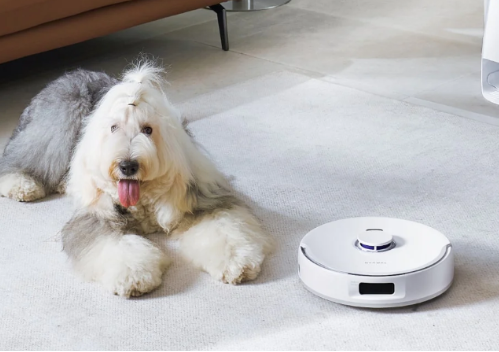
The comparison to a pet is a natural one. A robot vacuum roams the house independently, follows its owners from room to room, and becomes a familiar, comforting presence. It’s no surprise that many names reflect this dynamic.
Classic pet names like ‘Fido,’ which in Latin means ‘to trust,’ are a perfect fit for a trusty cleaning companion. ‘Fluffy’ is often used ironically, especially in homes with a lot of pet hair for the robot to clean. ‘Scooby’ casts the robot as a friendly detective, always on the hunt for hidden crumbs. ‘Toto’ suggests a small but brave and essential companion on the daily adventure of life at home.
Some names are born from direct observation of how pets interact with the device. A name like ‘Cat Car’ humorously captures the common sight of a family cat enjoying a ride on the moving robot. These names show that the device is not just a tool for the humans, but an integrated part of the entire household ecosystem, pets included. The sheer variety and creativity of these names are astonishing, and online communities and forums are filled with users sharing their top picks for robot vacuum names.
Simple, Human-like Names
Many of the most popular robot names are surprisingly simple, everyday human names. Monikers such as ‘Bob,’ ‘Steve,’ ‘Alice,’ ‘Fred,’ ‘George,’ ‘James,’ and ‘Lucy’ are consistently among the top choices.
The appeal of these names lies in their familiarity. Giving a robot a common human name is the ultimate act of bringing it into the fold. It strips away the complexity of the technology and makes the device feel like just another member of the household. It’s less about making a joke and more about fostering a sense of simple, easy companionship.
There is often an overlap between these simple names and those in the service category. As noted, ‘Alice’ and ‘Hazel’ are classic maid names, while ‘Alfred’ and ‘George’ have strong associations with butlers. This fusion shows how a simple, friendly name can also subtly reinforce the robot’s role as a helper, blending affection with function.
What Naming Trends Reveal About Smart Home Culture
The widespread and creative naming of robot vacuums is more than just a quirky habit. It is a clear indicator of how our relationship with technology is evolving within the smart home. These names, in all their variety, reveal a culture that is increasingly comfortable with, and even fond of, the automated devices that share our spaces.
The act of naming humanizes this technology. It transforms a cold, functional appliance into a character with a personality, a role, and a place in the family. Whether that character is a witty comedian (‘Meryl Sweep’), a loyal servant (‘Alfred’), a famous hero (‘Wall-E’), or a simple companion (‘Bob’), it becomes an entity we can relate to on a more personal level.
The prevalence of humor in these names is particularly telling. It shows that we are not intimidated by this new wave of domestic robotics. Instead, we are playful and confident enough to joke with and about our machines. This lighthearted approach helps to demystify smart technology and makes it more accessible and less threatening.
Ultimately, the name we choose for our robot cleaner is a form of self-expression. It reflects our personal tastes, our sense of humor, and our unique way of seeing the world. It shows whether we value wit, nostalgia, efficiency, or simple companionship. As smart devices become ever more present in our lives, this simple act of naming will continue to be a fascinating expression of how we choose to live with our technology.