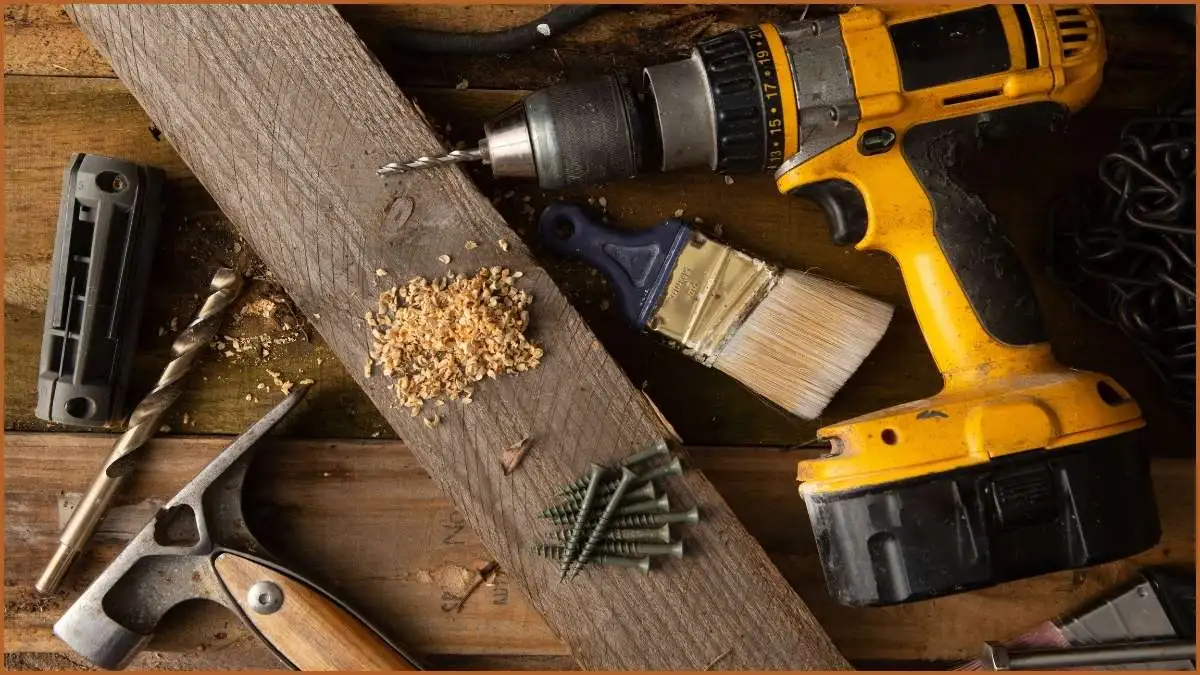
DIY vs Professional Handyman: When to Call an Expert
In the age of YouTube tutorials and step-by-step guides, many homeowners are tempted to fix everything themselves. While DIY can save money and be satisfying, it’s not always the best—or safest—solution.
Some repairs are quick and manageable, while others require professional skills, tools, and experience. Knowing the difference can save you from costly mistakes, wasted time, and even serious safety risks.
In this guide, we’ll break down when DIY makes sense and when it’s smarter to call a professional handyman.
🔨 When DIY Makes Sense
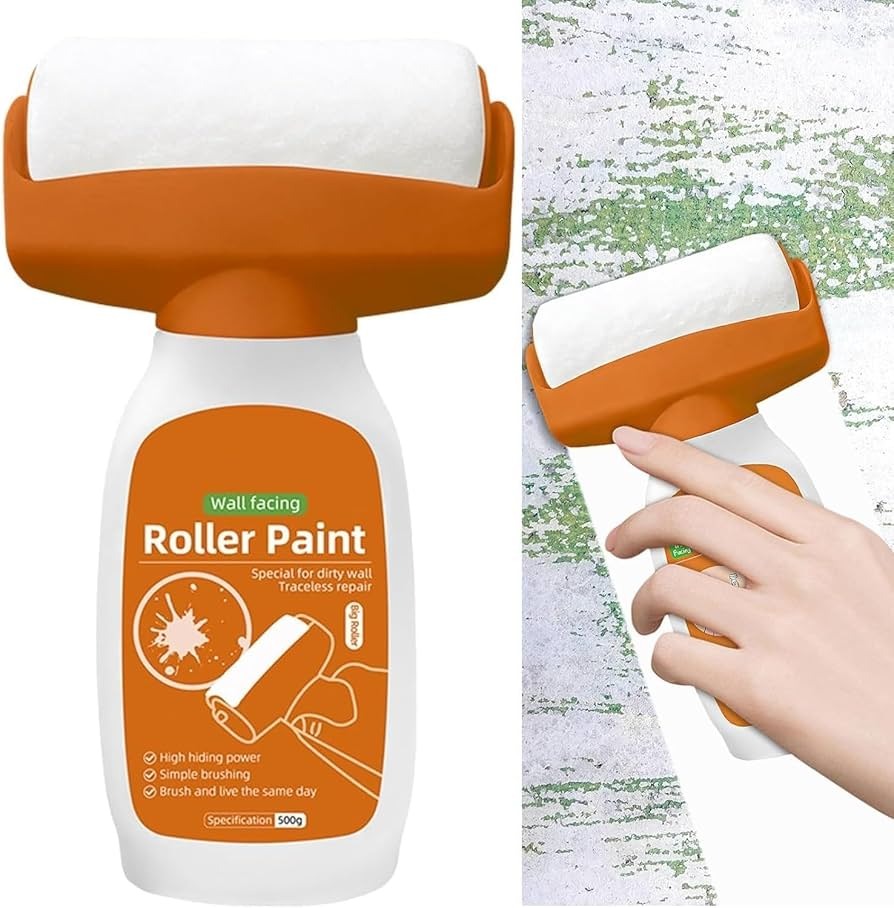
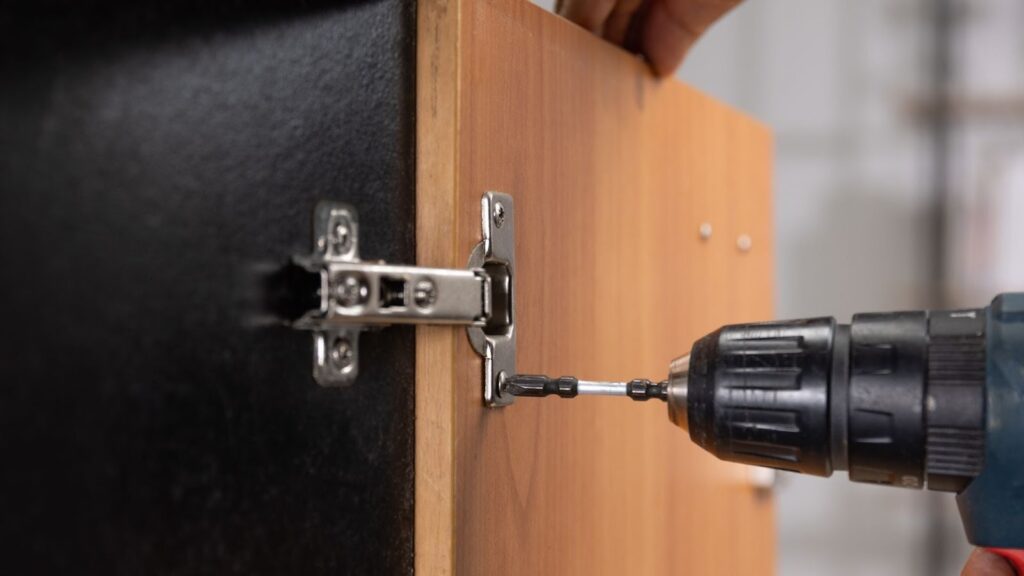
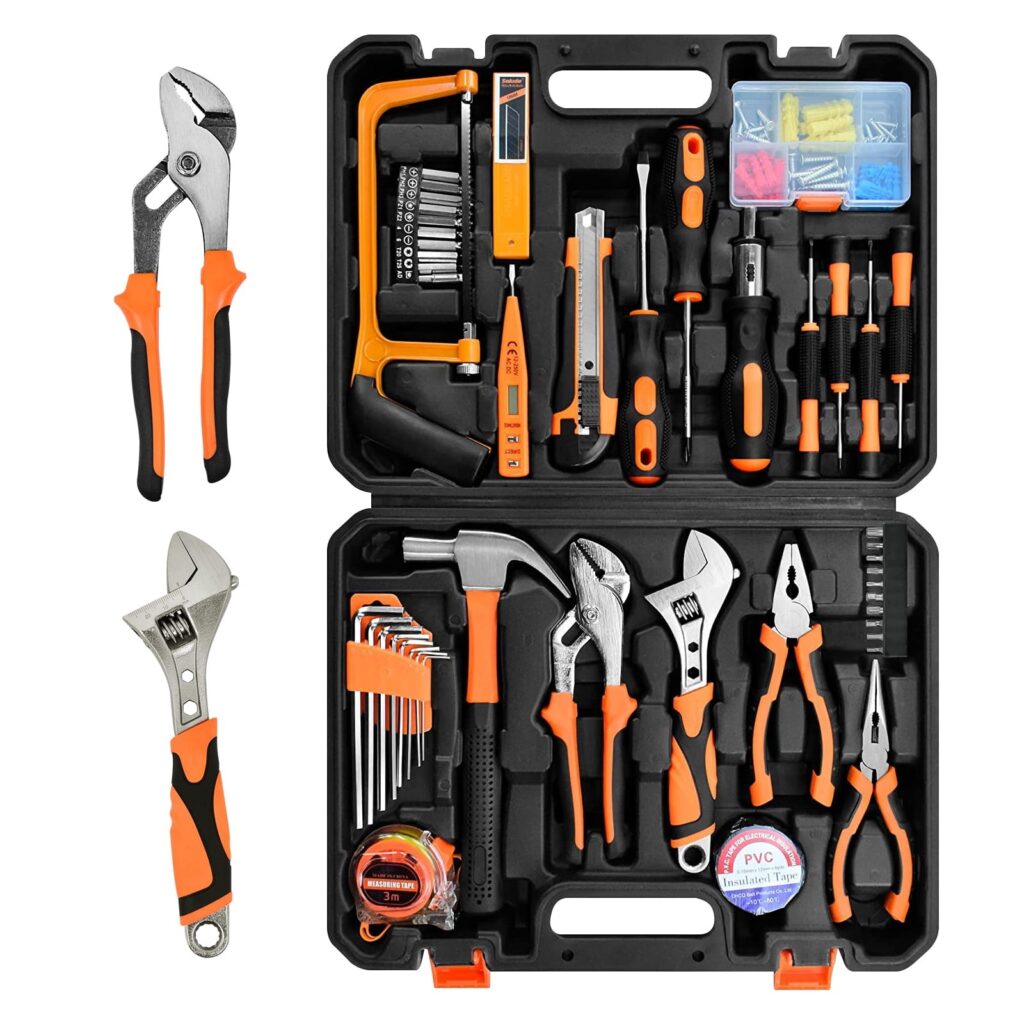
DIY projects are great for simple, low-risk tasks that don’t require specialized knowledge. These types of repairs are usually inexpensive and easy to learn with basic tools.
Good DIY examples include:
- Painting walls or touch-ups
- Fixing loose cabinet handles or hinges
- Replacing light bulbs or simple fixtures
- Minor sealing or caulking work
Taking care of small issues yourself can be cost-effective and help you stay on top of home maintenance.
However, even small repairs should be done properly. Poor execution can lead to bigger problems over time.
⚠️ When DIY Can Go Wrong
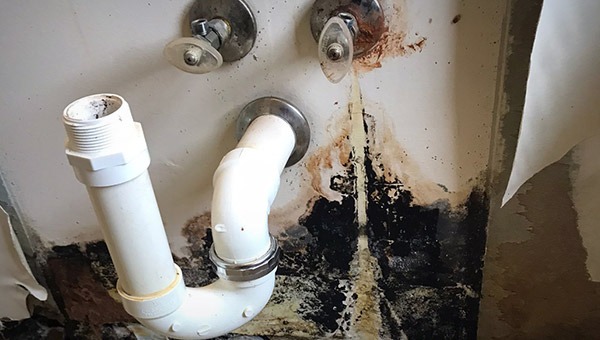
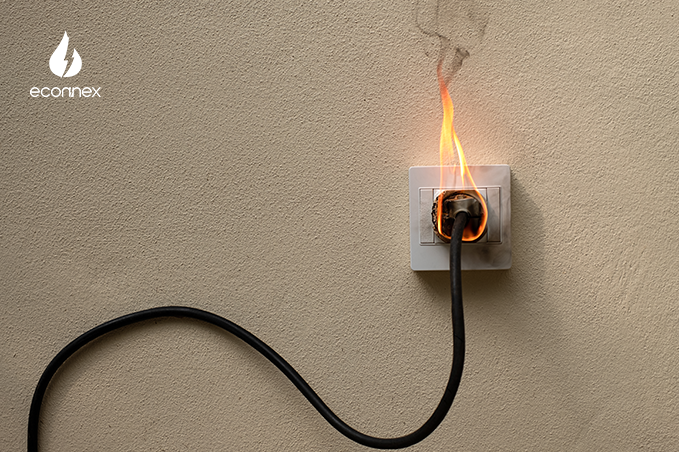
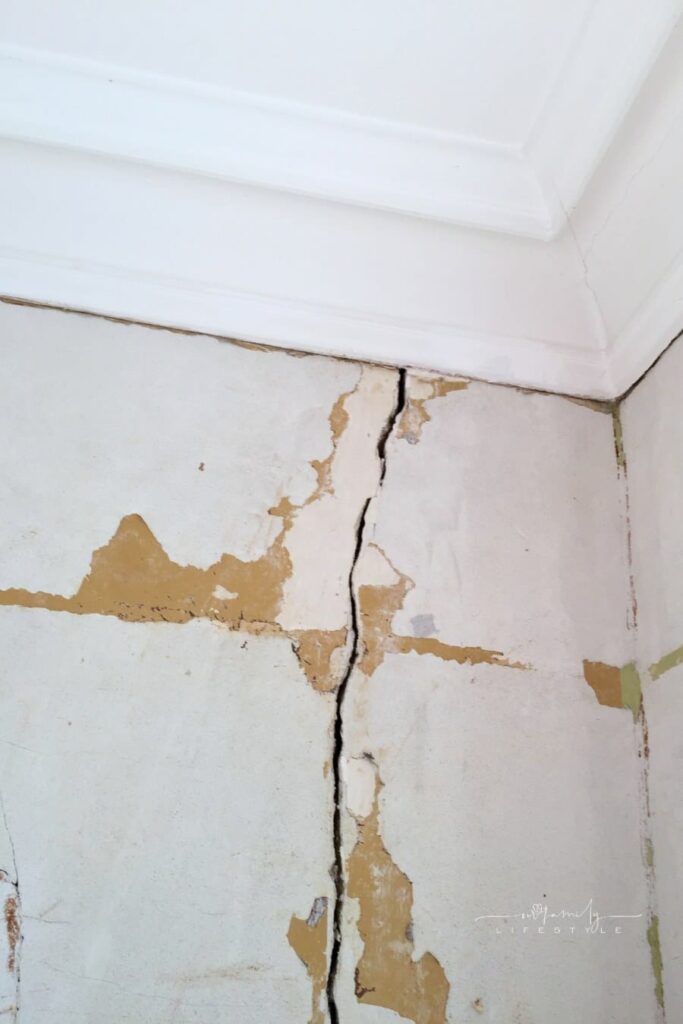
While DIY can be helpful, it also comes with risks—especially if you underestimate the complexity of a problem.
Common DIY mistakes include:
- Improper plumbing fixes that lead to leaks
- Incorrect electrical work that creates fire hazards
- Using the wrong tools or materials
- Ignoring underlying issues
What starts as a simple repair can quickly turn into a bigger, more expensive problem if done incorrectly.
If you’re unsure about the scope of a repair, it’s a good idea to review situations like these in more detail. This guide on when to call a professional handyman explains exactly when DIY is no longer the right choice.
🧰 When to Call a Professional Handyman
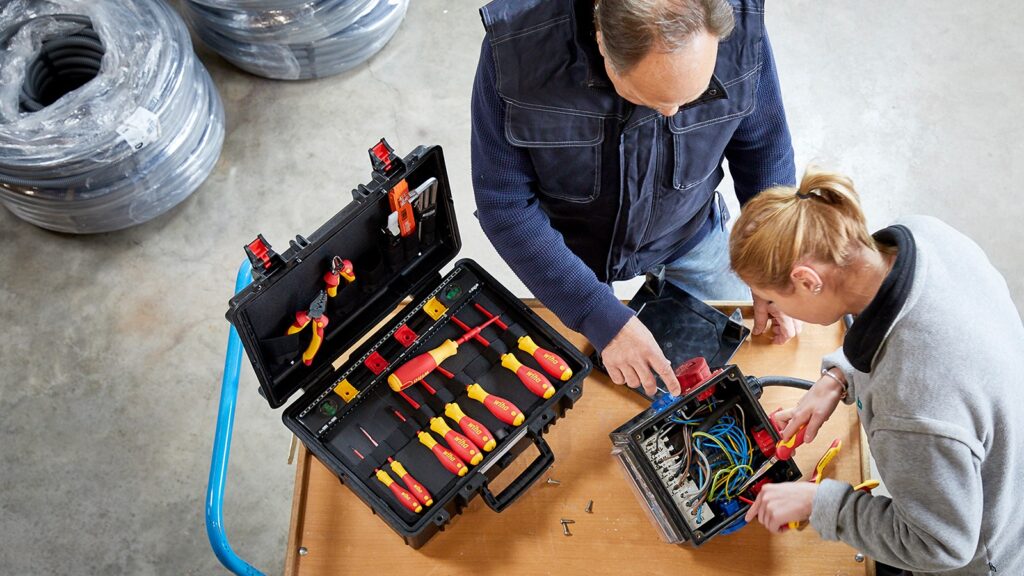

Some tasks should always be handled by a professional. These typically involve safety risks, complex systems, or potential structural damage.
Call a professional if you’re dealing with:
- Electrical repairs or wiring issues
- Plumbing problems beyond minor fixes
- Structural damage (walls, ceilings, foundation)
- Roof repairs or leaks
- Anything that could pose a safety hazard
Professionals not only have the right tools but also the experience to diagnose and fix problems correctly the first time.
Hiring an expert can actually save money in the long run by preventing repeat repairs and additional damage.
Cost vs Value: What’s Really Cheaper?
Many homeowners choose DIY to save money—but that’s not always the case.
While DIY may seem cheaper upfront, mistakes can lead to:
- Higher repair costs later
- Additional material expenses
- Time lost on trial and error
- Safety risks and potential damage
On the other hand, hiring a professional ensures the job is done efficiently and correctly.
It’s important to think not just about cost, but about long-term value.
Finding the Right Balance
The smartest approach is a balanced one. Handle simple, low-risk tasks yourself, and leave complex or dangerous work to professionals.
This way you:
- Save money where it makes sense
- Avoid unnecessary risks
- Keep your home in top condition
When in Doubt, Call an Expert
If you ever feel unsure about a repair, that’s usually a sign it’s time to bring in a professional. It’s better to ask for help early than deal with bigger consequences later.
👉 For trusted handyman services, visit fixprosolution.com
Final Thoughts
DIY can be a great way to maintain your home, but it’s not a one-size-fits-all solution. Understanding your limits is key to avoiding costly mistakes.
By knowing when to take action yourself and when to call a professional, you can protect your home, your budget, and your safety.
In the end, smart decisions—not just hard work—are what keep your home running smoothly.