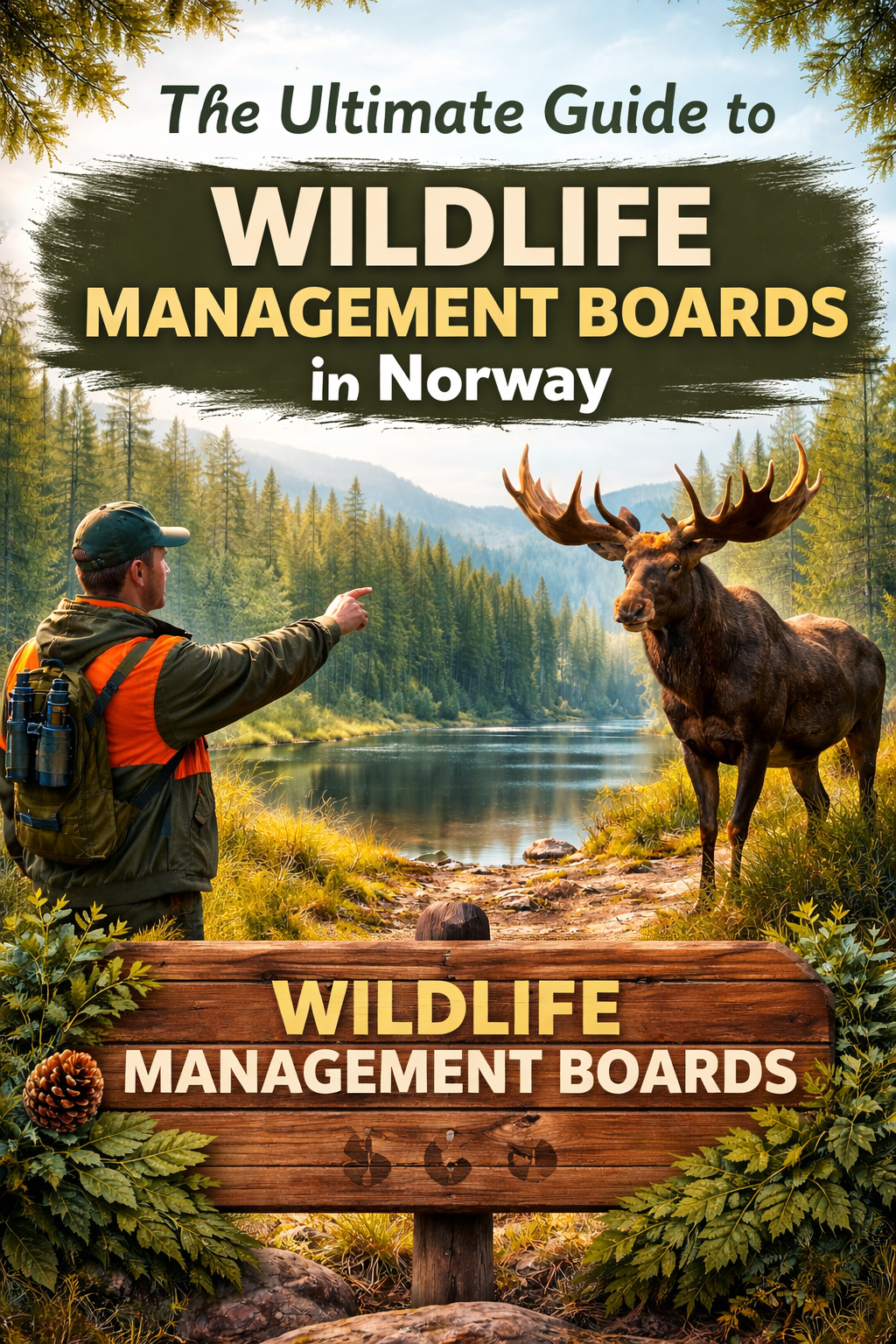
Viltnemnda: Essential Role in Wildlife Management and Conservation
When it comes to wildlife management, Viltnemnda plays a crucial role in ensuring that ecosystems remain balanced. But what exactly is Viltnemnda? Simply put, Viltnemnda is a local wildlife management board responsible for overseeing and managing the relationship between wildlife and human populations. They make decisions to prevent conflicts and protect both people and animals.
The Role of Viltnemnda in Wildlife Conservation
The primary role of Viltnemnda is to manage local wildlife populations. They are involved in controlling hunting practices, managing endangered species, and ensuring that wildlife does not pose a threat to human settlements. Their responsibilities also extend to protecting natural habitats and promoting biodiversity.
Why Viltnemnda Is Important for Ecosystem Health
One of the key functions of Viltnemnda is to monitor the health of ecosystems. By regulating hunting seasons, controlling the population of certain species, and preventing overhunting, they help preserve the balance in nature. This is important for maintaining biodiversity and ensuring that ecosystems continue to thrive.
How Viltnemnda Balances Human Interests with Wildlife Preservation
Managing human-wildlife conflict is a delicate task. Viltnemnda works hard to find solutions that benefit both the people and wildlife. For example, if animals encroach on human settlements, Viltnemnda may implement relocation programs, provide compensation for damages, or establish wildlife corridors that allow animals to safely travel between habitats.
The Role of Hunters and Local Communities in Viltnemnda’s Mission
Hunters play an important role in the work of Viltnemnda. They help control wildlife populations to prevent overgrazing and depletion of resources. Viltnemnda works closely with local communities, ensuring they understand the importance of sustainable hunting practices. This collaboration helps maintain a healthy balance in local ecosystems.
How Viltnemnda Regulates Hunting Practices
Hunting regulations are a core part of Viltnemnda’s responsibilities. These regulations ensure that hunting practices are sustainable and that no species is hunted to extinction. By setting hunting quotas and specific seasons, Viltnemnda helps preserve the wildlife populations while allowing hunters to contribute to conservation efforts.
The Impact of Viltnemnda on Local Agriculture
Farmers and local agricultural businesses also benefit from the work of Viltnemnda. By controlling wildlife populations, Viltnemnda helps reduce crop damage caused by wild animals. Additionally, they promote practices that allow wildlife to coexist with agricultural activities, benefiting both sectors.
How Viltnemnda Addresses Endangered Species
When certain species face the threat of extinction, Viltnemnda takes a proactive approach. They collaborate with conservation organizations to monitor and protect endangered species. Through careful management, they ensure that these species receive the protection they need to recover and thrive in the wild.
Viltnemnda’s Role in Education and Awareness
Viltnemnda doesn’t just manage wildlife—they also educate the public. By raising awareness about conservation and sustainable practices, they help communities understand the importance of protecting wildlife. Educational programs, workshops, and outreach initiatives are part of their strategy to create long-term change.
The Future of Viltnemnda: Challenges and Opportunities
As environmental challenges increase, Viltnemnda faces growing responsibilities. Climate change, habitat loss, and the increasing human-wildlife conflict require innovative solutions. However, these challenges also present opportunities for Viltnemnda to expand its role in conservation efforts and improve its strategies.
What Happens if Viltnemnda’s Efforts Fail?
If Viltnemnda does not successfully manage wildlife populations, the consequences can be severe. Overpopulation of certain species may lead to damage to crops, vegetation, and even infrastructure. On the other hand, if species are overhunted, they may face extinction. It’s vital that Viltnemnda remains effective in its mission to prevent these outcomes.
Frequently Asked Questions (FAQs)
1. What is the purpose of Viltnemnda?
Viltnemnda is responsible for managing wildlife and ensuring that animals, ecosystems, and humans coexist peacefully. They regulate hunting practices, protect endangered species, and preserve natural habitats.
2. How does Viltnemnda prevent human-wildlife conflicts?
Viltnemnda implements strategies such as relocation programs, compensation for damages, and wildlife corridors to minimize conflicts between humans and animals.
3. How do hunters contribute to Viltnemnda’s efforts?
Hunters help control wildlife populations, which is essential for maintaining ecosystem balance. Viltnemnda ensures that hunting is done sustainably to avoid harming species.
4. What role does Viltnemnda play in protecting endangered species?
Viltnemnda collaborates with conservation organizations to protect endangered species through monitoring, habitat protection, and recovery programs.
5. How does Viltnemnda educate the public?
Viltnemnda educates the public through workshops, educational programs, and outreach initiatives to raise awareness about wildlife conservation and sustainable practices.
6. What happens if Viltnemnda’s efforts fail?
If Viltnemnda’s efforts fail, it could lead to overpopulation of certain species, damage to crops, and even extinction of endangered species. Effective management is crucial for maintaining balance.
Conclusion
Viltnemnda is a cornerstone of wildlife management, ensuring that human and animal populations coexist in harmony. From regulating hunting to protecting endangered species, their work is essential for the health of ecosystems and the well-being of local communities. By supporting Viltnemnda, we can ensure that wildlife is preserved for generations to come.