Practical Vs Historical Art Teaching: How to Utilize Art’s Culture for Your Own Works
Art education often sits at the intersection of two approaches: practical skill-building and historical understanding. While one focuses on hands-on techniques and materials, the other explores the cultural, social, and intellectual contexts that shape artistic expression. Many emerging artists feel pulled between mastering technical tools and diving into the rich legacy of art history. The truth is, these approaches are not competitors. When combined thoughtfully, they create a more powerful, informed, and original artistic voice. By learning how to balance both perspectives, artists can produce work that is not only skillful but also meaningful and culturally aware.
Understanding the Value of Practical Art Teaching
Practical art teaching emphasizes doing. It includes learning how to mix colors, handle different mediums, and refine techniques that bring ideas to life. This approach is essential for building confidence and competence. Without a solid technical foundation, even the most creative ideas can fall flat.
In a practical setting, students experiment with tools, develop muscle memory, and discover their personal preferences. Whether working with charcoal, oils, or acrylic paint sets, the goal is to understand how materials behave and how to control them effectively. These skills allow artists to execute their visions with precision and clarity.
However, practical teaching alone can sometimes feel disconnected from deeper meaning. Artists may become highly skilled but struggle to create work that resonates on a broader level. This is where historical context becomes an important complement.
Exploring the Depth of Historical Art Teaching
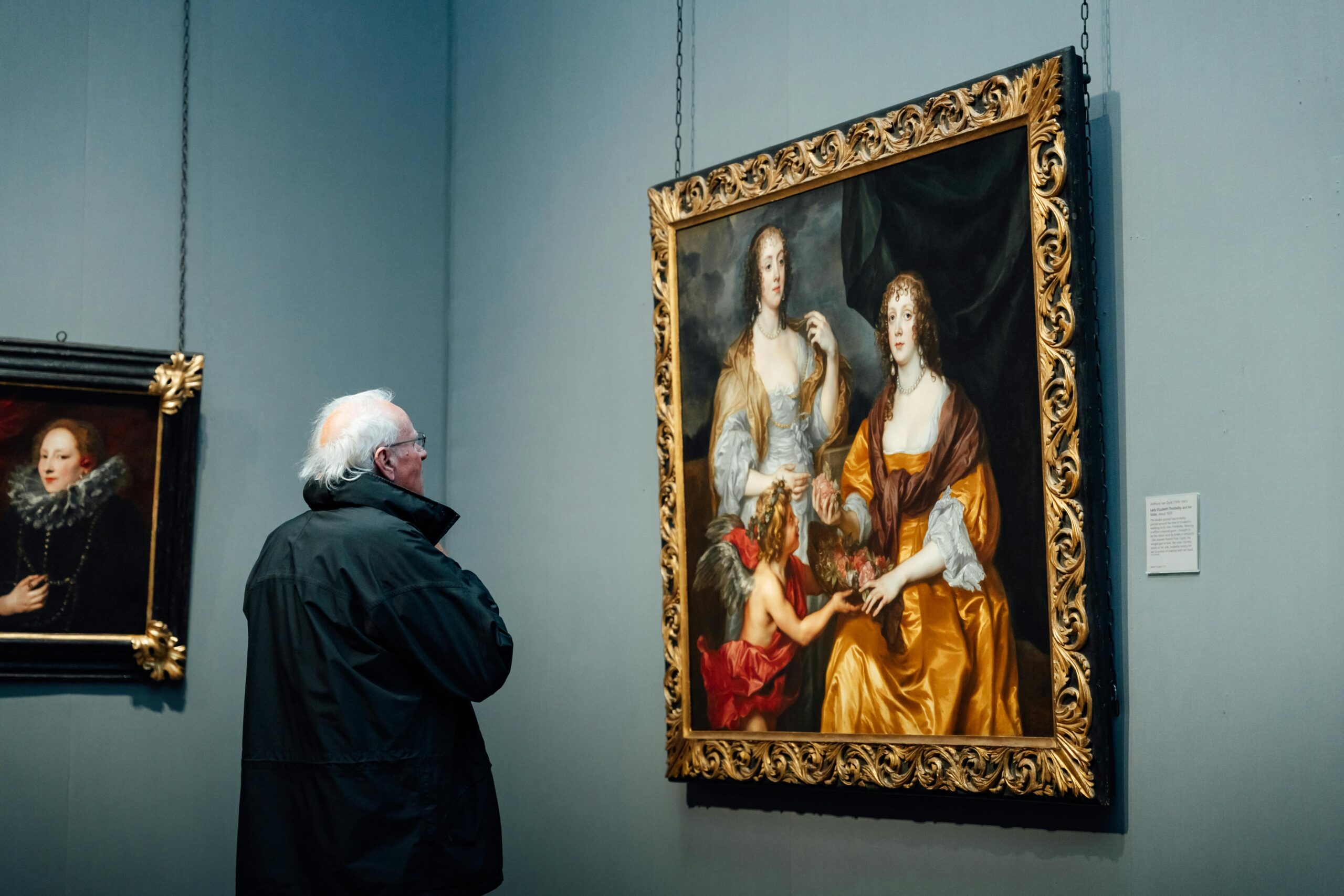
Historical art teaching focuses on the evolution of art across time. It introduces students to movements, iconic figures, and the societal influences that shaped artistic trends. This perspective helps artists understand why certain styles emerged and how art has been used to communicate ideas, challenge norms, and reflect culture.
By studying art history, artists gain insight into storytelling, symbolism, and the power of visual language. For example, learning about the Renaissance reveals how artists used perspective and realism to reflect humanist ideals. Similarly, exploring modern art movements highlights how artists responded to industrialization, war, and shifting cultural values.
This knowledge enriches an artist’s perspective. It provides a foundation for making intentional choices and avoiding unintentional repetition of past ideas. Still, historical teaching alone can feel theoretical if it is not applied in practice.
Bridging the Gap Between Practice and Context
The most effective approach to art education lies in blending practical skills with historical knowledge. When artists understand both how to create and why certain techniques or styles matter, their work gains depth and authenticity.
For instance, an artist studying impressionism might learn about its origins in capturing light and everyday life. At the same time, they can practice brushwork techniques that define the style. This combination allows them to reinterpret impressionist ideas in a personal and modern way.
Bridging this gap also encourages critical thinking. Artists begin to ask questions about their own work. What message am I conveying? How does my style connect to broader artistic traditions? This reflective process leads to more intentional and impactful creations.
Using Cultural Influence to Shape Your Own Work
Art does not exist in isolation. It is deeply connected to culture, identity, and experience. By understanding historical contexts, artists can draw inspiration from different cultures while still honoring originality.
Utilizing art’s cultural background involves more than imitation. It requires thoughtful adaptation. For example, an artist inspired by traditional Japanese woodblock prints might incorporate similar composition techniques while applying them to contemporary subjects. This approach respects the original influence while creating something new.
Cultural awareness also helps artists avoid misrepresentation or superficial borrowing. Instead, it encourages deeper engagement with the meaning behind artistic traditions. This leads to work that feels more authentic and respectful, while still innovative.
Developing a Personal Style Through Integration
A strong personal style often emerges from the balance between learning and experimentation. Artists who combine practical training with historical insight are better equipped to develop a unique voice.
Practical skills give them the tools to execute their ideas, while historical knowledge provides a rich source of inspiration. Over time, artists naturally begin to blend influences with their own experiences, creating work that feels both informed and original.
This process is not immediate. It requires patience, curiosity, and a willingness to explore. Artists should feel encouraged to study different movements, experiment with techniques, and reflect on what resonates with them personally. Through this ongoing practice, their individual style will begin to take shape.
Conclusion
The debate between practical and historical art teaching is not about choosing one over the other but about understanding how they work together. Practical skills provide the foundation for creation, while historical knowledge adds depth and meaning. When combined, they empower artists to produce work that is both technically strong and culturally rich.
By embracing both approaches, artists can move beyond imitation and develop a voice that reflects their unique perspective. Art becomes more than a skill or a subject of study. It becomes a dialogue between past and present, technique and intention, culture and creativity.