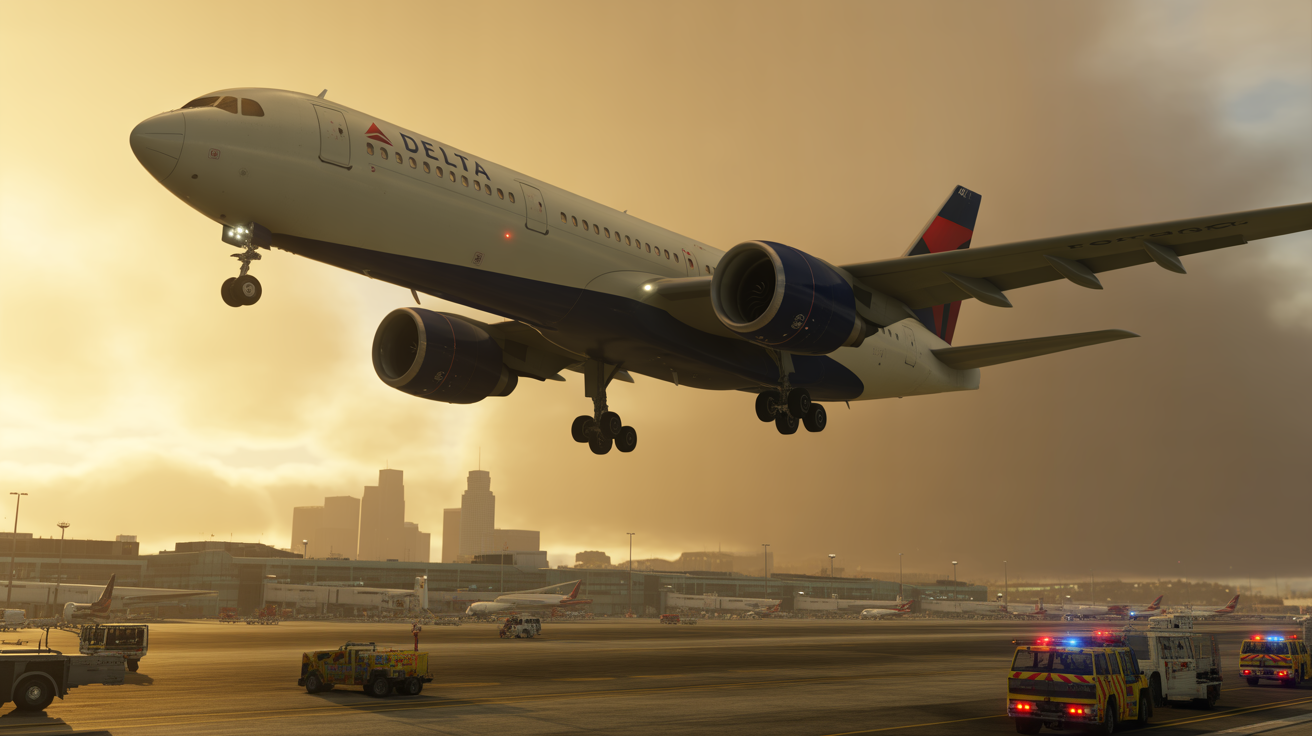
Why Delta Flight DL275 Diverted to LAX: What Really Happened
Imagine cruising smoothly at 38,000 feet over the North Pacific Ocean, expecting a routine long-haul journey, only to have the flight path completely rewritten.That is precisely what happened when delta flight dl275 diverted lax, turning a standard trip into an unexpected emergency landing. For travelers and aviation enthusiasts tracking live updates, unscheduled interruptions can raise plenty of questions.
Let’s dive into the core details of what triggered this high-profile diversion, how the flight crew handled the situation, and what it means for modern air travel security.
Understanding the Delta Flight DL275 Japan Diversion to LAX
When operating long-haul international routes, absolute precision is required from both the aircraft and the crew. The journey—originally connecting Detroit (DTW) to Tokyo Haneda (HND) using an Airbus A350-900—faced a sudden twist mid-flight.
While traversing the upper atmosphere roughly 620 nautical miles southwest of Anchorage, Alaska, the flight deck received warning indicators regarding a mechanical glitch.
- The Aircraft:Airbus A350-900 powered by Rolls-Royce Trent XWB engines.
- The Location:Cruising over the freezing corridors of the North Pacific.
- The Resolution:A safe, controlled touchdown on Runway 06R at Los Angeles International Airport.
Technical Factors: Why the Flight Was Rerouted
Aviation diversions rarely happen on a whim. In the case of delta flight dl275 diverted to lax, pilots faced a critical technical malfunction involving the engine’s anti-ice system.
The Engine Anti-Ice System Malfunction
The Rolls-Royce Trent XWB engines rely on heated bleed air to prevent ice accumulation on critical components like fan blades and inlet guide vanes.Flying through freezing high-altitude corridors without an active anti-ice system poses severe operational risks, including potential thrust loss.
Rather than attempting to push forward toward Japan or turning back against headwinds, the captain made the strategic decision to reroute. Choosing Los Angeles came down to clear logistical advantages:
- Maintenance Infrastructure:LAX is a major hub equipped with certified Airbus A350 maintenance capabilities.
- Specialized Support:The facility houses 24/7 technical resources and spare parts tailored for Rolls-Royce engines.
- Runway and Emergency Readiness: Long runways and robust medical/ground support ensure maximum safety for heavily fueled transpacific aircraft.
Passenger Experience and Airline Response
Any unexpected delay or sudden change of course naturally tests passenger patience, but safety always takes precedence.Crew members onboard followed rigorous emergency protocols to maintain cabin composure.
According to flight status reports and post-incident updates, all passengers landed safely with zero injuries reported.Following the touchdown at LAX, Delta coordinated alternative travel arrangements, rebooking affected guests on subsequent flights to their final Asian destinations while ground technicians began inspecting the aircraft.
Frequently Asked Questions
Why did delta flight dl275 diverted lax occur?
The flight was forced to reroute due to a technical malfunction in one of the aircraft’s engine anti-ice systems while flying over the North Pacific Ocean.
Was anyone injured during the emergency landing?
No, the Airbus A350 landed safely at Los Angeles International Airport, and all passengers and crew disembarked without injuries.
How long was the aircraft grounded at LAX?
The aircraft remained stationed at LAX for comprehensive safety checks and maintenance evaluations before being cleared to return to active service.
Conclusion
The unexpected events surrounding delta flight dl275 diverted lax status updates highlight both the inherent unpredictability of aviation and the rigorous safety nets protecting modern travelers.While a mid-flight diversion is undoubtedly disruptive, it serves as a powerful reminder that pilot expertise, advanced engineering redundancy, and strict protocols ultimately keep the skies secure.
If you are interested in learning more about how airlines manage technical disruptions or want to track contemporary aviation safety standards, check out our related guides on global flight tracking protocols and emergency diversion procedures.