Maintaining Healthy Habits in the Chaos of College! When There’s too Many Things on Your Plate
College has a way of turning even the most organized person’s routine upside down. Between classes, part-time work, social commitments, and the constant hum of notifications, it’s easy to watch healthy habits slip away without even noticing until weeks have passed. The pressure to do it all can make wellness feel like just one more task on an already overflowing list. The good news is that staying healthy during this chaotic season doesn’t require a perfect routine, just a few adaptable strategies that can survive the unpredictability of student life.
Accept That Your Routine Will Look Different
One of the biggest mental shifts college students need to make is letting go of the idea that healthy habits have to look a certain way. The structured mealtimes, workout schedules, or sleep patterns you had at home may simply not be realistic anymore, and that’s okay. Instead of forcing an old routine into a schedule that can’t support it, build something new around your actual life right now. A twenty-minute walk between classes counts. A quick, balanced snack between obligations counts. Progress doesn’t require perfection, and giving yourself permission to adapt is often what makes a habit sustainable long enough to actually stick.
Treat Sleep as Part of Your Academic Strategy
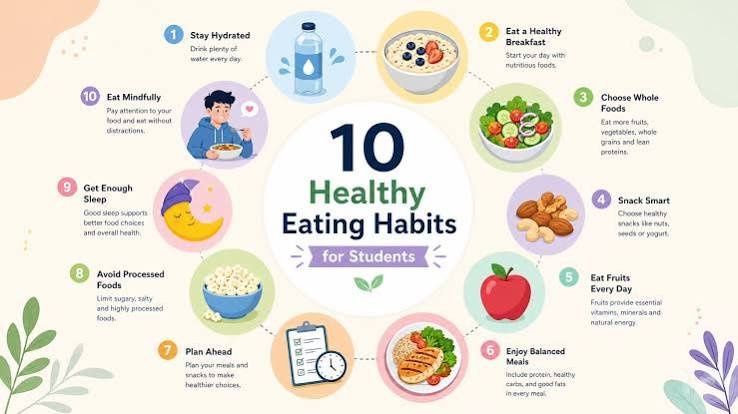
It’s tempting to treat sleep as the most flexible part of the schedule, something to sacrifice whenever deadlines pile up. But skimping on sleep tends to undercut the very performance students are trying to protect by staying up late in the first place. Memory consolidation, focus, and mood all depend heavily on consistent rest, which means a well-rested brain often studies more effectively in less time than an exhausted one grinding through hours of diminishing returns. Try to protect a realistic sleep window, even if it shifts later than ideal, and keep it consistent rather than wildly different from night to night. Treating sleep as part of your academic strategy, rather than something separate from it, can change how sustainable the rest of your habits feel.
Keep Fitness Goals Small and Flexible
Ambitious fitness plans made during a burst of motivation often don’t survive contact with a packed semester. Gym equipment bought with good intentions has a well-known reputation for becoming a glorified dust collector once assignments start stacking up and energy runs low. Rather than committing to an elaborate plan, focus on small, low-effort movement that fits naturally into your existing day, like walking to class, stretching between study sessions, or joining a casual club that gets you moving without feeling like a chore. Consistency at a smaller scale beats an ambitious routine that quietly disappears after a few weeks. The goal is building a habit you’ll actually keep, not an impressive plan that collapses the moment life gets busy.
Don’t Let Connection Fall to the Bottom of the List
It’s easy to assume that being surrounded by people constantly means you’re automatically staying connected, but college can be surprisingly isolating beneath the surface noise. Busy schedules often squeeze out the kind of real, honest conversation that actually supports mental health, leaving only surface-level interactions in its place. Make space for a few genuine friendships where you can talk openly about stress or overwhelm rather than performing that everything is fine. Campus resources like counseling services or peer support groups exist for exactly these moments, and using them isn’t a sign of struggling more than everyone else. It’s simply a smart habit, same as sleep or movement.
Practice Saying No Without Overexplaining
Overcommitment is one of the quiet reasons healthy habits fall apart in college. Clubs, social events, academic pressure, and part-time jobs all compete for the same limited hours, and saying yes to everything usually means nothing gets your full attention or energy. Learning to decline additional commitments, without a long list of justifications, protects the time you need for the basics that actually keep you functioning well. Get clear on what matters most this semester, whether that’s a specific class, a friendship, or simply your own mental bandwidth, and let that clarity guide which invitations deserve a yes.
Final Thoughts
The chaos of college isn’t going anywhere, but your healthy habits don’t have to be the casualty of it. Redefining what a realistic routine looks like, protecting sleep, keeping movement simple, prioritizing real connection, and setting boundaries all help build habits flexible enough to bend without breaking. Perfection was never the point. A routine that survives a hectic week is worth far more than one that only works when life slows down, and that’s exactly the kind of habit worth building now.