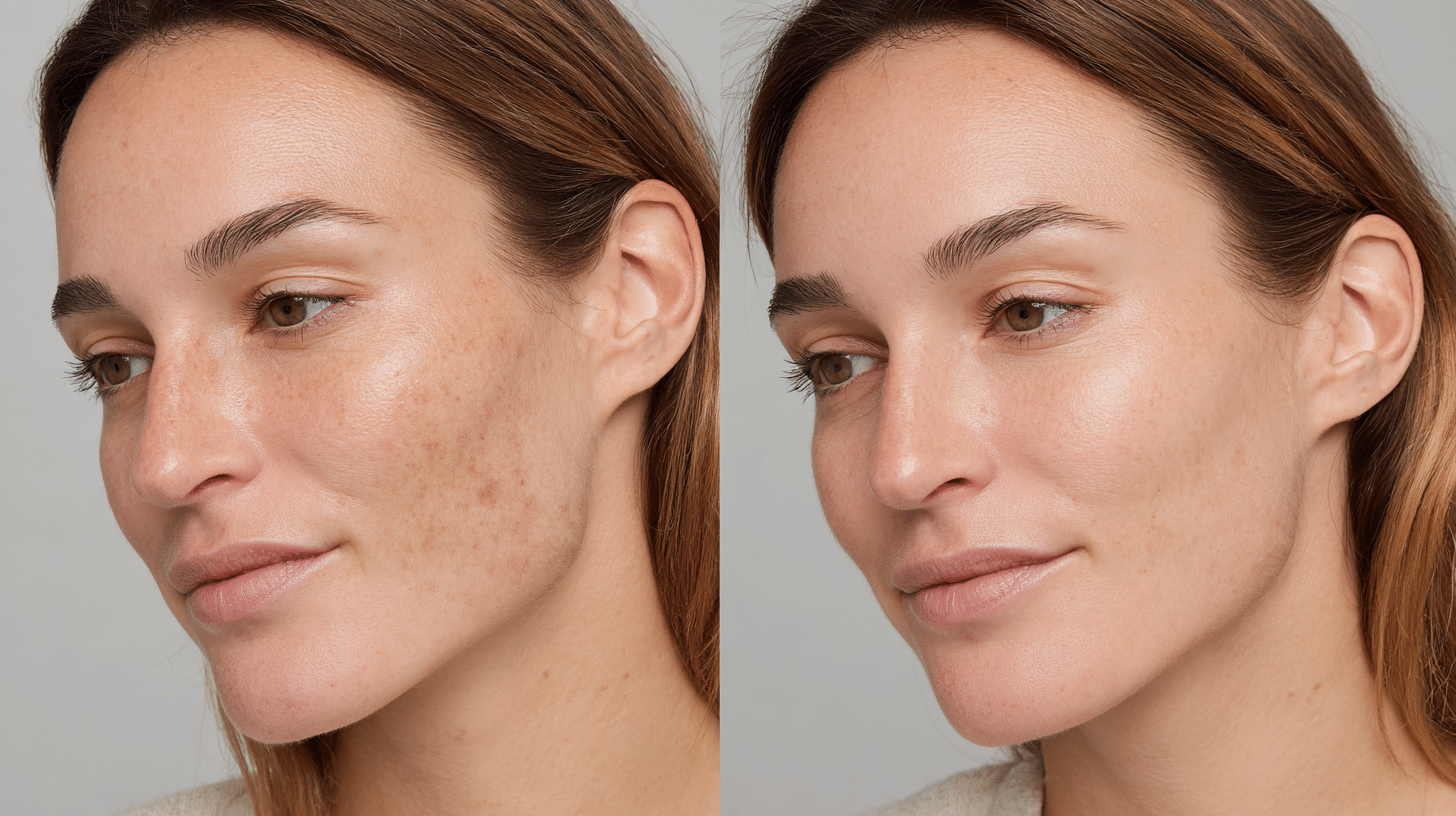
Tretinoin 0.1% Cream: What to Expect During the First 12 Weeks of Treatment
High-strength tretinoin is often described as one of the most transformative topical treatments in dermatology—but only when users understand what happens over time. Tretinoin 0.1% cream is a potent option typically introduced after the skin has already adapted to lower concentrations.
This article explains what most users experience during the first 12 weeks of treatment and how to maximize results while minimizing side effects.
Why Tretinoin 0.1% Is Considered High Strength
Tretinoin works by directly stimulating skin cell turnover and collagen production. At a 0.1% concentration, its biological activity is significantly stronger than beginner formulations.
Dermatologists usually recommend this strength when:
- Acne persists despite lower concentrations
- Skin texture and photodamage are pronounced
- Long-term retinoid tolerance is already established
Because of its potency, correct usage and patience are essential.
Weeks 1–4: Adjustment and Retinization
During the first month, many users experience the so-called retinization phase. This is a normal adjustment process as the skin adapts to accelerated cell turnover.
Common early reactions:
- Dryness and tightness
- Mild redness
- Peeling or flaking
- Temporary acne flare-ups
These effects do not indicate damage. Instead, they signal active biological response. Applying tretinoin every other night and using a moisturizer can significantly improve comfort.
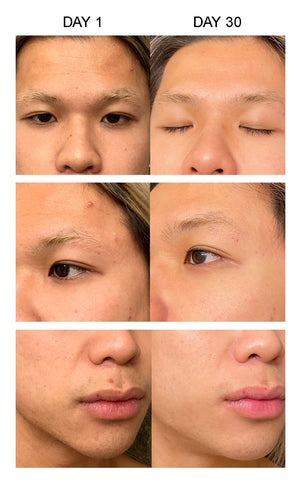
Weeks 5–8: Visible Changes Begin
As the skin barrier adapts, irritation usually decreases and early benefits become noticeable.
Typical improvements include:
- Fewer clogged pores
- Reduced inflammatory breakouts
- Smoother skin texture
- More even tone
At this stage, consistency becomes more important than frequency. Skipping applications can delay progress.
According to American Academy of Dermatology, visible improvement from topical tretinoin generally appears after several weeks of continuous use, with progressive benefits over time.
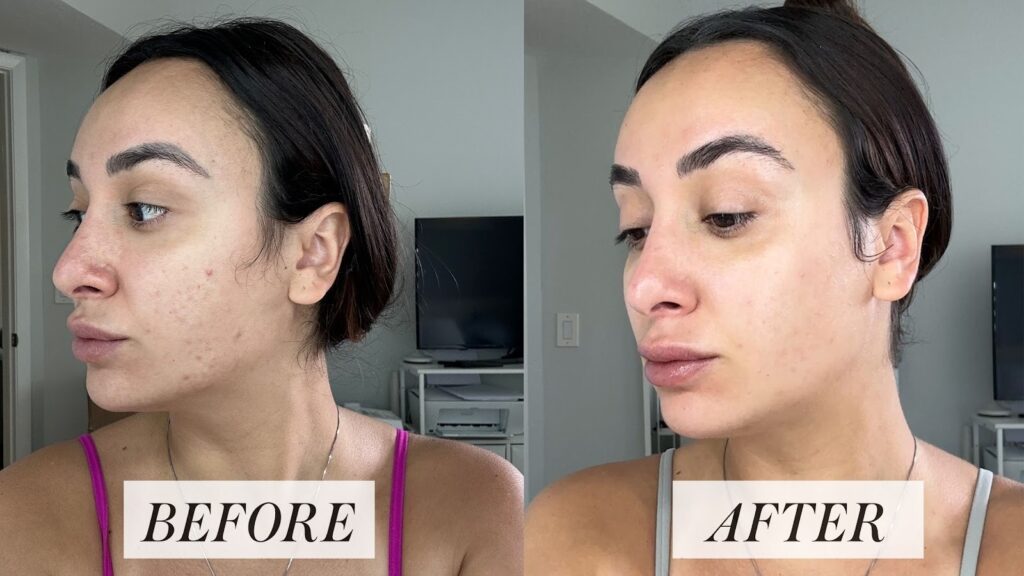
Weeks 9–12: Stabilization and Long-Term Benefits
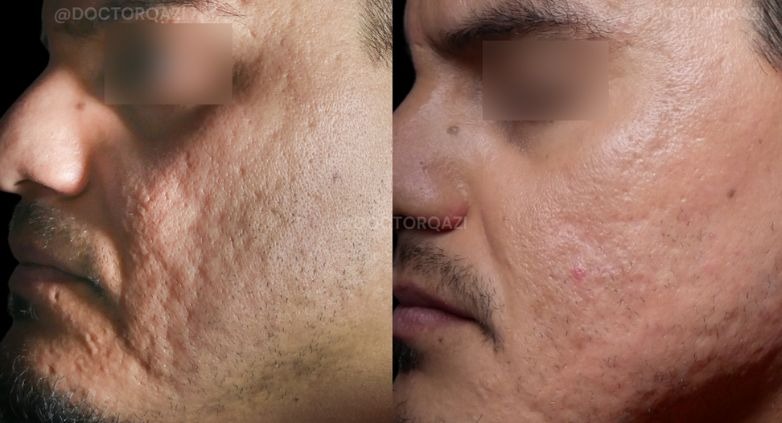
By the third month, most users reach a more stable phase. Irritation is minimal, and the skin begins to show cumulative benefits.
Longer-term effects include:
- Fewer breakouts overall
- Improved post-acne marks
- Refined skin texture
- Early reduction in fine lines
This is also when tretinoin becomes easier to maintain as part of a long-term skincare routine.
How to Use Tretinoin 0.1% Correctly
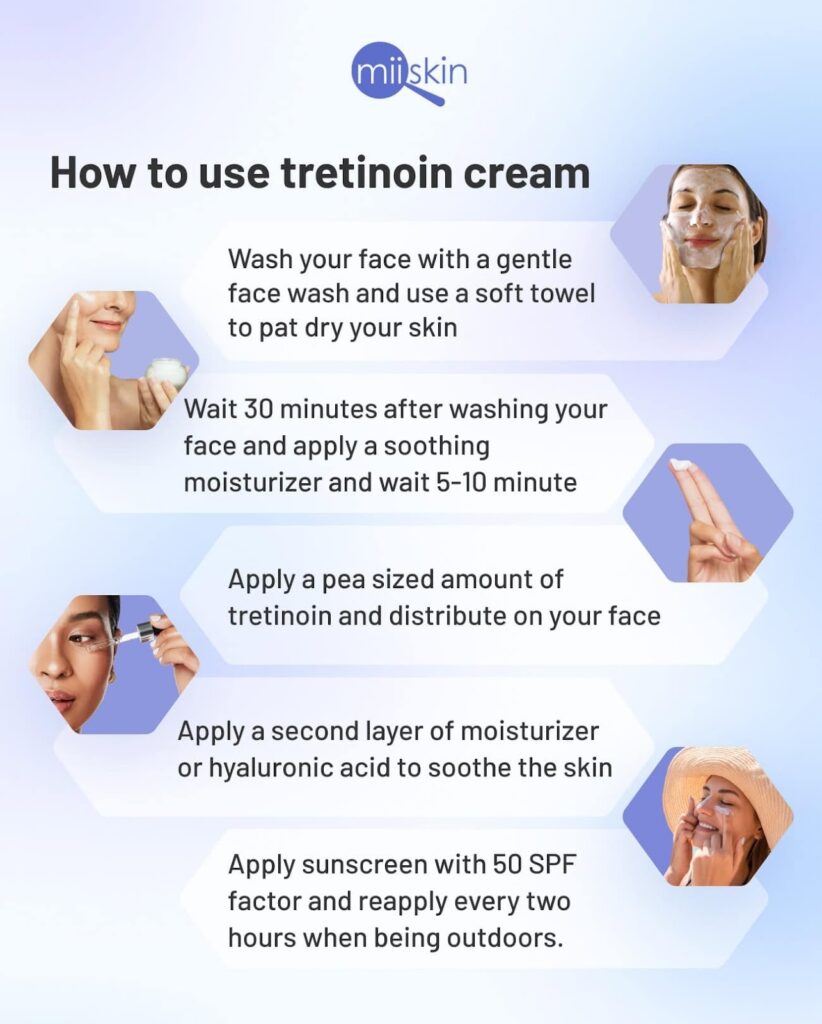
Best-practice guidelines include:
- Apply once nightly
- Use a pea-sized amount for the entire face
- Apply only to dry skin
- Always use sunscreen during the day
Sun protection is non-negotiable, as tretinoin increases photosensitivity.
Choosing a Reliable Tretinoin 0.1% Cream
Formulation quality and authenticity directly affect both results and tolerability. A commonly used medical-strength option is:
👉 tretinoin 0.1% cream
https://okdermo.com/product/tretinoin-01-percent-cream-buy-online-otc/
Cream formulations are often preferred at higher strengths due to better moisture balance.
Who Should Delay or Avoid Use?
Tretinoin 0.1% should be avoided or postponed in cases of:
- Pregnancy or breastfeeding
- Active eczema or severe irritation
- Broken or sunburned skin
A dermatologist can help determine readiness for high-strength retinoid therapy.
Conclusion
Tretinoin 0.1% cream delivers its best results over time, not overnight. Understanding the normal progression—from initial adjustment to visible improvement—helps users stay consistent and confident during treatment.
With proper use, sun protection, and patience, tretinoin 0.1% can become one of the most effective long-term tools for clearer, smoother, and healthier-looking skin.