
Delta DL139 Venice Atlanta Diversion Amsterdam: What Happened and What Travelers Should Know
When a long-haul flight suddenly changes course, passengers naturally have many questions. One flight that has attracted attention is Delta DL139, particularly in connection with a diversion involving Venice, Atlanta, and Amsterdam. Flight diversions can happen for many reasons, including weather, technical concerns, medical emergencies, air traffic restrictions, or operational decisions.
Understanding what happened on a diverted flight can help travelers know what to expect when a planned journey changes unexpectedly. This article explains the route, the possible reasons behind a diversion, how Amsterdam can become an alternative airport, and what passengers should do after an unexpected landing.
Delta DL139 Flight Route
Delta DL139 is associated with international operations involving Europe and the United States. Flights on long-distance routes typically cross several countries and large areas of airspace.
A normal journey may have a planned departure airport, destination, and carefully calculated flight path. However, pilots and airline operations teams can change that plan when conditions require it.
For passengers searching for Delta DL139 Venice Atlanta diversion Amsterdam, the main point of interest is why a flight expected to travel toward Atlanta could instead be associated with Amsterdam.
What Does a Flight Diversion Mean?
A diversion occurs when an aircraft lands at an airport other than its planned destination.
This does not automatically mean that something catastrophic happened. In aviation, diversions are an important safety tool. Pilots have several alternative airports available along many international routes.
For example, an aircraft traveling toward Atlanta might need to land in Amsterdam if circumstances make continuing the original journey less practical.
The decision is generally made after considering safety, weather, aircraft condition, fuel, passenger needs, airport availability, and air traffic conditions.
Why Could DL139 Be Diverted to Amsterdam?
There are many potential reasons for a European-to-U.S. flight to divert. Without an official incident report, it is important not to assume a specific cause.
Common reasons include:
- Medical emergencies involving passengers or crew
- Mechanical or technical concerns
- Severe weather
- Airport restrictions
- Air traffic control limitations
- Security concerns
- Fuel or operational considerations
- Crew-related requirements
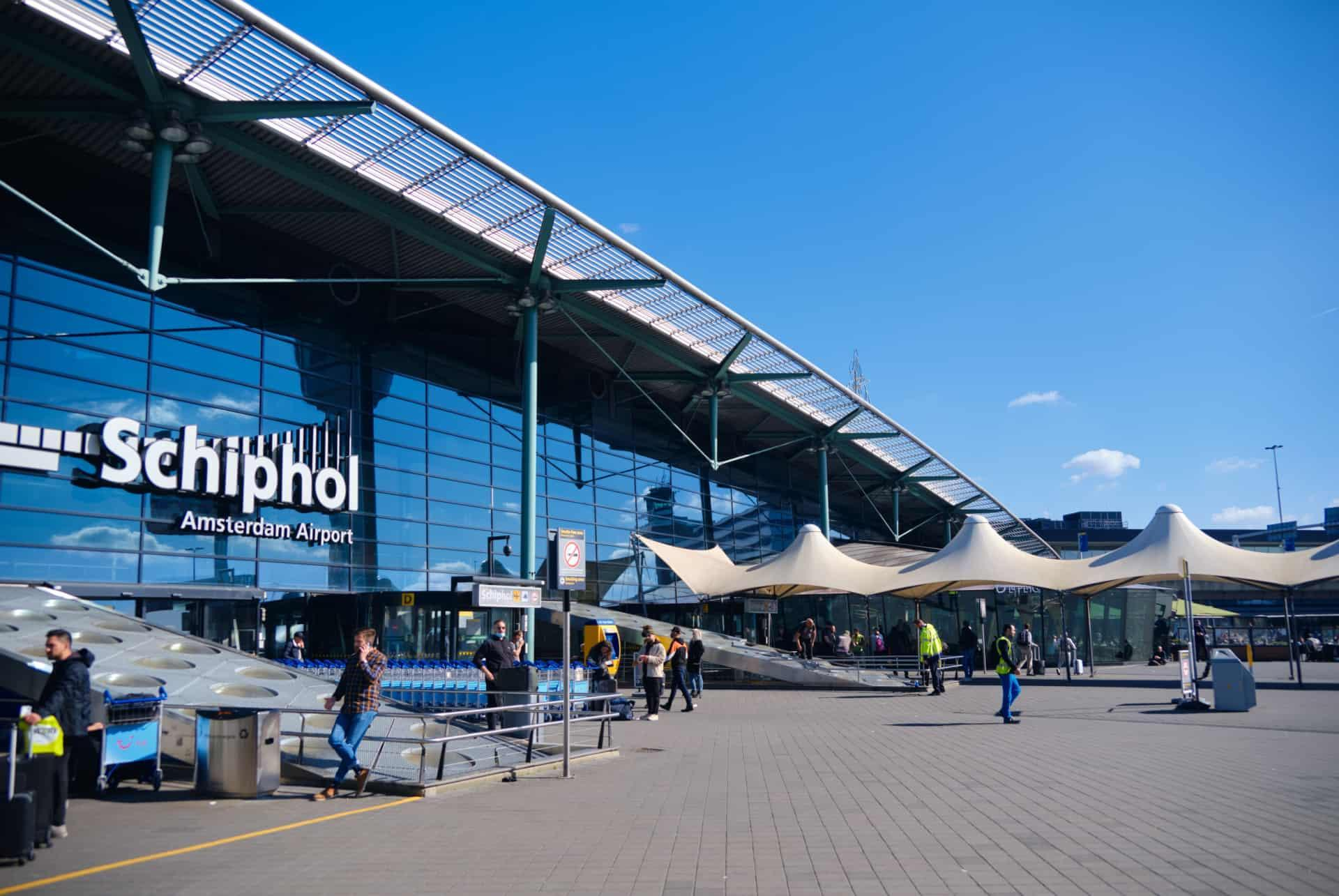
Amsterdam Schiphol is a major international airport with extensive infrastructure. Its location and facilities can make it a practical alternative for certain flights operating across Europe.
The Importance of Amsterdam Schiphol
Amsterdam Airport Schiphol is one of Europe’s major aviation hubs. It handles a large volume of international passenger and cargo traffic.
For a diverted international flight, an airport like Schiphol can offer several advantages. It has multiple runways, international passenger facilities, customs and immigration services, maintenance capabilities, and strong connections with other European destinations.
These resources can be valuable when an airline needs to manage an unexpected aircraft arrival.
What Happens After a Diversion?
Once an aircraft lands at an alternative airport, several processes may begin.
First, the aircraft is safely parked. Airport personnel and airline representatives then assess the situation. If the diversion resulted from a technical concern, maintenance teams may inspect the aircraft.
If the issue involves a medical emergency, medical professionals may meet the aircraft.
Passengers may remain onboard for some time while airline staff determine the next steps. In other situations, passengers may be asked to leave the aircraft.
The length of the delay depends heavily on the reason for the diversion and the resources available at the airport.
Can Passengers Continue to Atlanta?
Usually, the airline will try to complete the journey when it is safe and operationally possible.
There are several possibilities after a diversion. The original aircraft may continue to Atlanta after receiving clearance. The airline might arrange another aircraft. Passengers could also be rebooked onto another flight.
The correct solution depends on the aircraft’s condition, crew availability, airport operations, and the reason for the diversion.
Passengers should therefore rely on official Delta communications instead of social media speculation.
How Flight Tracking Helps
Flight-tracking services can provide useful information during an unexpected route change. They may show the aircraft’s position, altitude, departure time, and landing location.
However, tracking data does not always explain why an aircraft changed course.
A flight path may show a turn toward Amsterdam, but only the airline, airport authorities, or official aviation sources may confirm the underlying reason.
This distinction is important when researching incidents involving Delta DL139 Venice Atlanta diversion Amsterdam.
What Passengers Should Do During a Diversion
Passengers can take several practical steps if their flight is diverted.
1. Stay Calm
Diversions are designed to protect passengers and crew. A change in destination does not necessarily indicate a serious emergency.
2. Follow Crew Instructions
Flight attendants and pilots receive procedures for handling irregular operations. Passengers should follow their instructions carefully.
3. Check Official Updates
Use the airline’s official app, website, airport screens, and messages for updated information.
4. Keep Travel Documents Ready
Passengers may need passports and other documents if they leave the aircraft or enter an airport terminal.
5. Avoid Unverified Information
Online discussions can contain incomplete or inaccurate claims. Wait for reliable information before assuming the cause of a diversion.
How Diversions Affect Connecting Flights
A diversion can create significant problems for passengers with connecting flights.
Someone traveling through Atlanta may have onward connections to another U.S. city. A delay in Amsterdam could cause those connections to be missed.
Airlines typically assess affected itineraries and may rebook passengers when necessary.
Travelers should check their entire itinerary rather than focusing only on the original flight.
Passenger Rights After a Diversion
Passenger rights depend on the circumstances, airline policies, and applicable aviation regulations.
For international flights involving European airports, European passenger-protection rules may sometimes be relevant. However, eligibility for compensation is not automatic simply because a flight was diverted.
The reason for the disruption, the applicable regulation, the airline’s obligations, and the final destination can all matter.
Passengers should keep boarding passes, receipts, booking information, and airline communications if they need to make a later claim.
Why Flight Diversions Are Important for Aviation Safety
Diversions demonstrate how flexible modern aviation operations are.
Airlines do not simply follow a predetermined route regardless of changing circumstances. Pilots constantly evaluate conditions, while airline operations centers monitor weather, aircraft performance, airport capacity, and other factors.
If continuing toward the planned destination creates unnecessary risk, landing somewhere else may be the safest option.
That is why passengers should view a diversion primarily as an operational safety decision rather than automatically assuming an aircraft experienced a major accident.
What Makes Amsterdam a Useful Diversion Airport?
Amsterdam’s position in Europe makes it particularly important for international aviation.
The airport has extensive passenger facilities and serves numerous global destinations. Its infrastructure can support large aircraft and international operations.
For an airline dealing with an unexpected situation, these capabilities can make Amsterdam a practical alternative depending on the aircraft’s location and circumstances.
However, the suitability of any diversion airport is evaluated in real time.
Delta DL139 Diversion: Key Takeaways
The phrase Delta DL139 Venice Atlanta diversion Amsterdam describes a flight situation that has generated interest because of an unexpected change in the planned journey.
The most important lessons are simple:
- A diversion means the aircraft landed somewhere other than its planned destination.
- Diversions can occur for many safety or operational reasons.
- Amsterdam Schiphol is a major international airport capable of handling diverted flights.
- Flight-tracking information can show where an aircraft went but may not explain why.
- Passengers should follow crew instructions and official airline updates.
- Missed connections may be rearranged by the airline.
- Passenger compensation depends on the specific circumstances and applicable rules.
- Unverified online claims should be treated cautiously.
Conclusion
The story surrounding Delta DL139 Venice Atlanta diversion Amsterdam highlights how quickly international flight plans can change. A journey that begins in Europe and is expected to continue toward Atlanta may need to land elsewhere when circumstances require it.
Diversions are an established part of aviation safety and operations. They allow pilots and airline teams to respond to unexpected conditions while prioritizing passengers and crew.
For travelers affected by a diversion, patience and accurate information are essential. The best sources are the airline, airport authorities, and official travel notifications. Once the situation is assessed, the airline can determine whether passengers will continue on the same aircraft, transfer to another flight, or receive alternative travel arrangements.
Ultimately, an unexpected landing can be inconvenient, but the ability to divert safely is an important feature of modern air travel.