Industrial Filtration Applications of Porous Plastic Sheets
Across modern manufacturing and processing industries, achieving reliable, consistent fluid or gas filtration is a non-negotiable requirement. Among the solutions gaining widespread adoption is the use of porous plastic sheets — sintered polymer panels engineered to deliver controlled porosity at scale.
What Makes Sintered Porous Plastics Ideal for Industry?
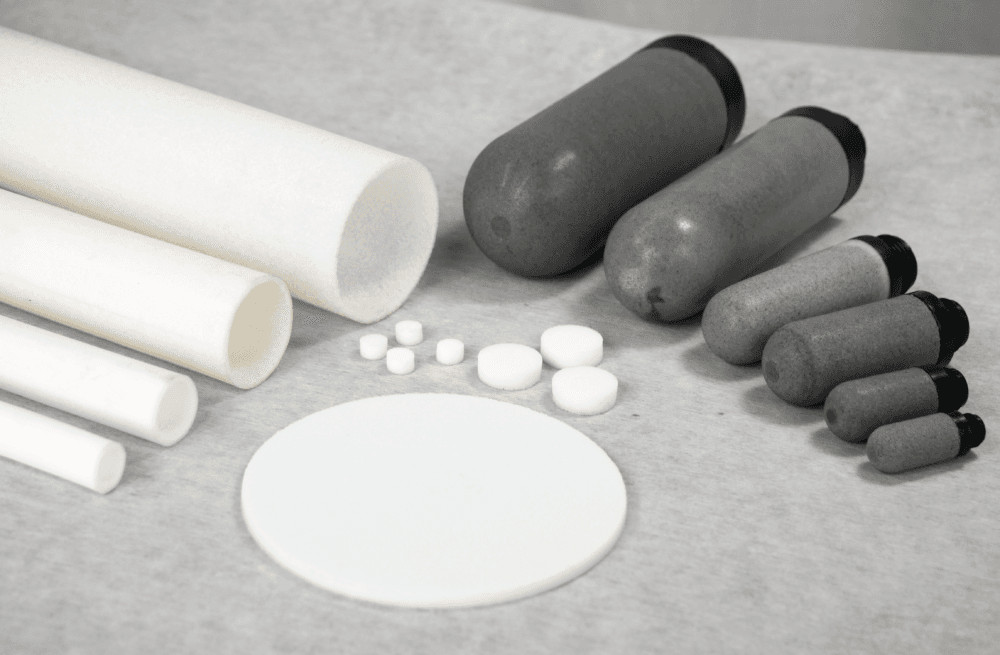
Sintered porous plastics are produced by compressing and heat-fusing polymer particles — typically polyethylene (PE), polypropylene (PP), or PTFE — into solid sheets with an interconnected network of open pores. Unlike woven mesh or membrane filters, sintered sheets offer a three-dimensional pore structure that provides both depth filtration and surface filtration simultaneously.
The pore size can be precisely controlled during manufacturing, typically ranging from 1 to 500 microns, making these sheets adaptable to an enormous variety of industrial filtering requirements. Their chemical resistance is another major advantage: most sintered plastics are unaffected by acids, alkalis, solvents, and a wide spectrum of industrial fluids.
Key Industrial Applications
Industries that rely on sintered porous plastic filtration include:
- Chemical and petrochemical processing
- Pharmaceutical and biotechnology manufacturing
- Food and beverage production
- Water and wastewater treatment
- Electronics and semiconductor fabrication
- Automotive and aerospace fluid systems
Gas Distribution and Aeration
One of the most critical yet often overlooked applications is gas distribution. In electrochemical reactors, bioreactors, and wastewater aeration tanks, uniform gas dispersion is essential to process efficiency. Sintered plastic sheets excel here because their interconnected pores break gas streams into fine, evenly distributed bubbles, maximizing gas-liquid contact area and dramatically improving mass transfer.
Because the sheets are chemically inert and resistant to biofouling, they maintain consistent performance over extended operational periods, even in environments where biological growth or aggressive chemical exposure would degrade conventional metal or ceramic diffusers.
Fluidization and Powder Handling
In powder handling systems, sintered porous plastic sheets are commonly used as fluidization panels at the base of hoppers and silos. By introducing a controlled airflow through the sheet, fine powders — such as cement, pigments, or pharmaceutical excipients — are kept in a fluid-like, free-flowing state, preventing compaction, bridging, and clumping.
The lightweight nature of plastic sintered panels also makes them easier to install and replace compared to ceramic alternatives, while offering comparable or superior resistance to impact during maintenance cycles.
Venting and Pressure Equalization
Electronic enclosures, battery systems, and sealed instruments often require controlled venting to equalize internal and external pressures without admitting contaminants. Sintered plastic sheets serve as excellent breathable barriers in such applications, allowing air and gases to pass while blocking particulates, moisture droplets, and insects.
Selecting the Right Material and Pore Specification
When specifying a sintered porous plastic sheet for an industrial application, several parameters must be considered: the nature of the fluid or gas being filtered, the required flow rate and pressure differential, the operating temperature range, and the chemical environment. PE-based sheets offer a cost-effective general-purpose solution, while PTFE sheets are selected for highly corrosive or high-temperature scenarios.
As industrial processes become more demanding and regulatory requirements for product purity and process consistency tighten, the role of precision-engineered filtration media will only grow. Sintered porous plastic sheets represent a mature, proven technology well-suited to meeting these challenges.