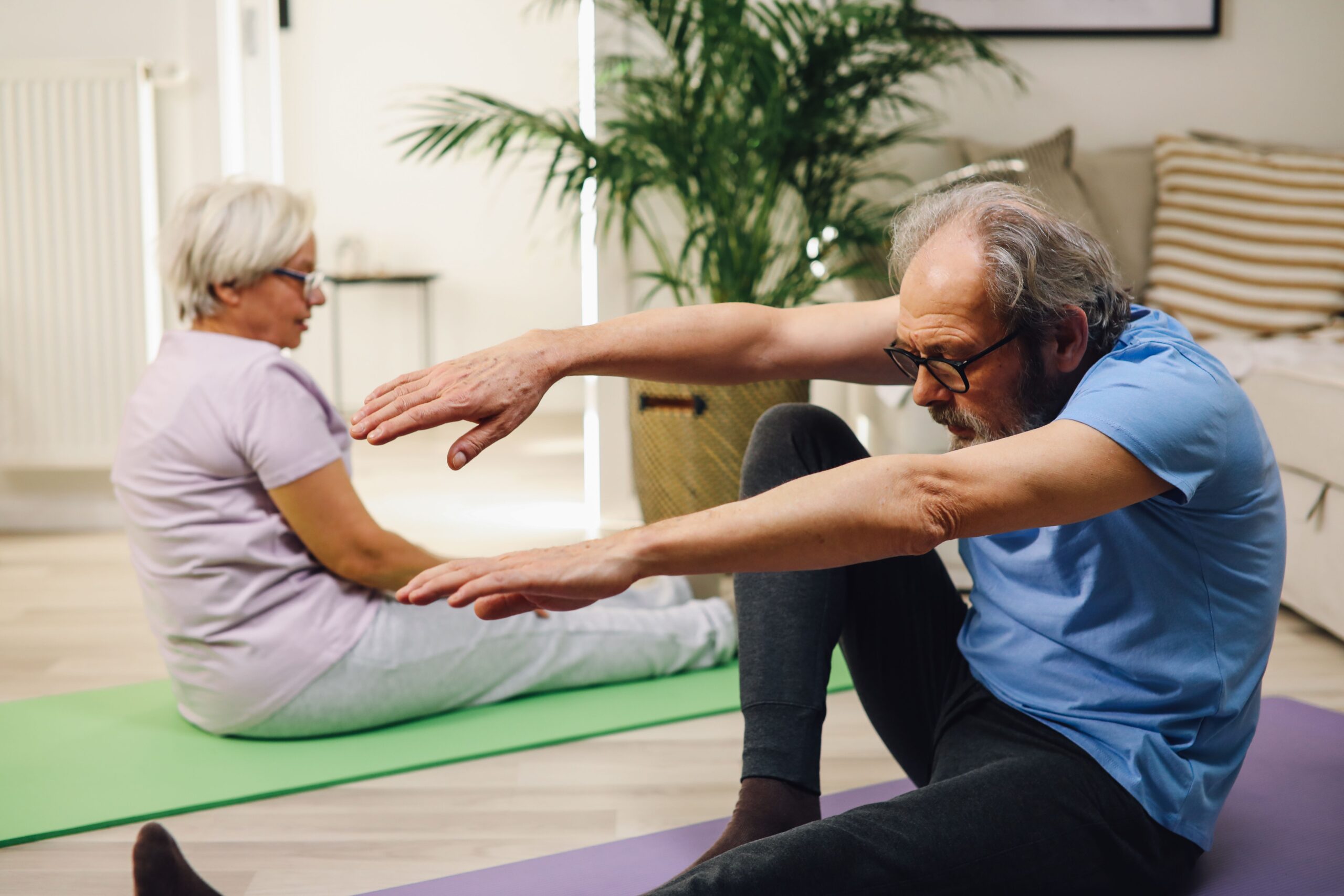
Fitness Trends Growing in Popularity Among Older Adults
Introduction
The idea of fitness has changed significantly over the years, especially among older adults. Rather than viewing exercise as something reserved for younger generations or competitive athletes, many seniors now recognize physical activity as an important part of maintaining health, independence, and overall quality of life. Advances in health research have highlighted the benefits of regular movement, encouraging older adults to seek fitness routines that support both physical and mental well-being.
Today’s fitness trends are also more inclusive than ever. From low-impact workouts to technology-assisted exercise programs, there are numerous options that accommodate varying fitness levels and interests. As a result, more older adults are finding enjoyable ways to stay active while building strength, improving mobility, and enhancing their daily lives.
Walking and Functional Fitness Remain Popular
One of the most accessible fitness trends among older adults continues to be walking. Unlike many exercise programs that require specialized equipment or memberships, walking can be done almost anywhere and offers numerous health benefits. Regular walking can support cardiovascular health, improve endurance, and help maintain a healthy weight.
Beyond simple walks, many seniors are embracing functional fitness programs. These exercises focus on movements that mirror everyday activities such as standing, bending, lifting, and reaching. Functional fitness helps improve balance, flexibility, and strength in ways that directly support independent living.
Because these exercises are practical and adaptable, they appeal to individuals who want fitness routines that provide real-world benefits. Improving the ability to move comfortably throughout daily life often becomes a powerful motivator for maintaining a consistent exercise schedule.
Strength Training Is Gaining Wider Acceptance
For many years, strength training was often associated primarily with younger adults. Today, that perception has changed dramatically. More seniors are incorporating resistance exercises into their wellness routines after learning about the benefits of maintaining muscle mass as they age.
Strength training can help improve stability, support bone health, and make everyday activities easier to perform. Exercises involving resistance bands, free weights, weight machines, or even body weight are increasingly common in senior fitness programs.
Many fitness professionals now design strength-training classes specifically for older adults, emphasizing proper form and gradual progression. These programs allow participants to build confidence while improving physical capabilities. The growing popularity of strength training reflects a broader understanding that maintaining muscle strength is an important component of healthy aging.
Low-Impact Exercise Programs Continue to Expand
Low-impact fitness options have become particularly attractive for older adults who want effective workouts without placing excessive stress on their joints. Activities such as swimming, water aerobics, cycling, and chair-based exercise programs provide opportunities for movement while minimizing physical strain.
Yoga and tai chi have also experienced significant growth in popularity. These practices focus on flexibility, balance, breathing techniques, and controlled movement. Many participants appreciate the combination of physical activity and stress reduction that these programs provide.
As healthcare professionals continue to emphasize the importance of balance and mobility, low-impact exercise classes are becoming common offerings in community centers, fitness facilities, and senior-focused wellness programs. Their accessibility makes them appealing to people with a wide range of fitness backgrounds and physical abilities.
Fitness Communities Encourage Social Engagement
Exercise is no longer viewed solely as an individual activity. Many older adults are drawn to fitness programs that also create opportunities for social interaction. Group classes, walking clubs, dance programs, and recreational sports leagues provide both physical benefits and valuable social connections.
The social aspect of fitness can significantly increase motivation and accountability. Participants often look forward to seeing familiar faces and sharing progress with others who have similar goals. This sense of community helps many people maintain long-term commitment to an active lifestyle.
Communities that support wellness often incorporate organized fitness opportunities into their programming. For example, residents seeking Active Independent Living in Jacksonville, FL, may find access to fitness classes, group activities, walking trails, and wellness programs designed to promote healthy and engaged lifestyles. These types of environments help make regular physical activity a natural part of daily living.
Technology Is Changing the Way Seniors Exercise
Technology is playing an increasingly important role in senior fitness. Wearable devices, fitness trackers, smartphone applications, and virtual exercise classes provide new ways for older adults to monitor progress and stay motivated.
Fitness trackers can help users track steps, heart rate, activity levels, and sleep patterns. This information allows individuals to better understand their habits and set realistic health goals. Virtual classes offer convenience for those who prefer exercising at home while still benefiting from guided instruction.
Online fitness communities and video platforms have also expanded access to exercise programs tailored to older adults. From beginner yoga sessions to strength-training workouts, seniors can now access a wide variety of fitness resources with just a few clicks.
As technology becomes more user-friendly, it is likely to continue influencing how older adults approach health and wellness. These tools help make fitness more personalized, accessible, and engaging.
Conclusion
Fitness trends among older adults reflect a growing commitment to health, independence, and overall well-being. Walking, strength training, low-impact exercise programs, social fitness opportunities, and technology-driven solutions are all helping seniors stay active in ways that fit their lifestyles and goals.
The increasing variety of fitness options means that older adults have more opportunities than ever to find activities they enjoy. By embracing regular physical activity and exploring emerging fitness trends, seniors can support both their physical and mental health while maintaining the active, fulfilling lifestyles they desire.