Simpcity Explained: What You Need to Know in 2026
The internet moves at lightning speed, and niche online communities can transform from small message boards into viral web phenomena virtually overnight. If you have spent much time exploring discussions around creator culture, subscription media, or digital trends recently, chances are you have stumbled across the name Simpcity.
Simpcity has become one of the most widely discussed online forum networks, known primarily for its massive user base, content-indexing threads, and community discussions. But what actually drives this platform, how does it operate under the hood, and why has it sparked so much debate regarding digital rights and online security?
Whether you are curious about internet subcultures or looking to understand how modern mirror networks function, this guide breaks down everything you need to know about Simpcity in plain, straightforward terms.
What Is Simpcity and How Did It Evolve?
At its core, Simpcity operates as an online forum and discussion platform. While it initially surfaced as a space for general conversations around social media trends, popular culture, and internet memes, it rapidly expanded into an aggregated directory for user-submitted media.
The platform takes its name from “simp”—a slang term that evolved within online spaces to describe someone showing excessive devotion or affection toward another person. Over time, the platform embraced this identity, building a heavily social, user-driven ecosystem centered around online creators, digital personalities, and media consumption.
Today, the site acts as an indexing hub where registered members interact, create dedicated personality threads, and share external media links across dozens of categories.
Understanding the Structure of the Simpcity Forum
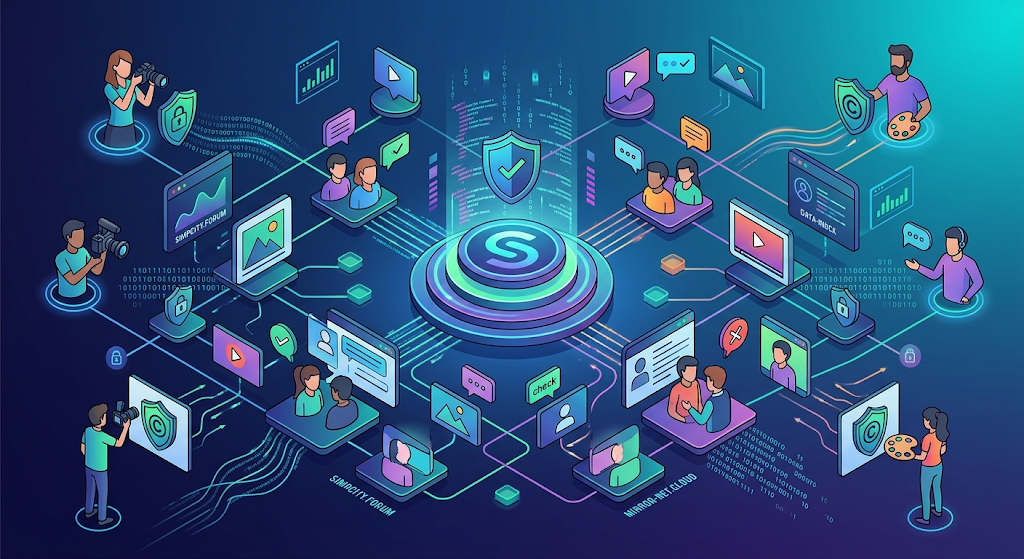
Navigating a massive community network can feel overwhelming at first glance. The architectural layout of Simpcity relies on traditional forum mechanics paired with decentralized content indexing.
1. User Requests and Dedicated Threads
The heart of the community relies on individual thread generation. Users create specific topics dedicated to individual influencers, public figures, or niche media topics.
- Request Boards: Members can submit formal requests asking other community members to locate or share specific media archives.
- Discussion Threads: Beyond media exchange, threads feature ongoing discussions regarding creator news, social media updates, and digital trends.
- Review & Feedback Sections: Users frequently leave feedback on shared links, verifying their authenticity or flagging broken URLs.
2. Mirror Networks and External File Hosting
Unlike traditional media sites that store video and image files directly on central servers, Simpcity largely operates through a web of external links and mirror domains.
- External Cloud Links: Most threads redirect users to third-party file-hosting providers or cloud storage platforms.
- Domain Redundancy: To maintain uptime, the platform uses a network of mirror domains (such as alternate domain extensions) to keep the community connected if one primary link experiences downtime.
- Crowdsourced Curation: Content isn’t published by a central editorial team; instead, thousands of active members continually index and update active links.
The Cultural Impact: Creator Content and the Subscription Economy
The rise of platforms like Simpcity highlights a broader shift in how people consume media in the digital age. Over the past few years, subscription-based creator platforms (such as OnlyFans, Patreon, and Fansly) have transformed how independent personalities monetize their work.
As paid paywalls multiplied across the web, secondary communities emerged to aggregate, archive, and discuss that content. For many users, forums provide a central gathering spot to discover new creators without juggling dozens of individual monthly subscriptions.
However, this dynamic also highlights an ongoing tug-of-war between open web access and creator compensation. While forum members value free access and collective archiving, content creators often view unauthorized aggregation as a direct hit to their livelihood.
Navigating Safety, Privacy, and Copyright Concerns
Whenever you explore underground forums or third-party index sites, keeping digital hygiene top of mind is essential. Engaging with secondary forum networks carries distinct considerations that every user should understand:
- Cybersecurity and Malware Risks: Because many forum links point to third-party file locker websites, users frequently run into pop-up ads, redirect scripts, or malicious downloads. Keeping robust antivirus protection and browser ad-blockers active is critical.
- Copyright and Intellectual Property: Much of the subscription media shared across external links is distributed without explicit permission from the original copyright holders. Takedown notices and copyright enforcement efforts regularly cause links and mirror domains to go offline.
- Account and Privacy Security: Reusing passwords across unverified online forums poses significant data security risks. Using unique credentials and anonymous email addresses helps safeguard personal identity on community boards.
Frequently Asked Questions About Simpcity
What is Simpcity?
Simpcity is a popular online forum community focused on creator discussions, media indexing, and internet culture topics. It relies on user-generated threads and shared links to catalog digital content from around the web.
Is content hosted directly on Simpcity?
No, the forum primarily functions as an index board. Users post links pointing to third-party cloud storage services and external file hosts rather than uploading files directly to the forum’s main servers.
Why do Simpcity web addresses and domain names change?
Like many online index platforms, Simpcity utilizes mirror networks and domain redirects to maintain reliability and manage server traffic. If a primary domain experiences technical issues or legal takedowns, alternate mirrors keep the forum accessible.
How can digital creators protect their content from unauthorized sharing?
Creators can monitor file-sharing hubs and issue formal DMCA (Digital Millennium Copyright Act) takedown notices to third-party hosting providers to remove copyrighted material quickly. Many creators also utilize automated brand protection services to track and remove unauthorized re-uploads.
Wrapping Up: Key Takeaways on Simpcity
Ultimately, Simpcity represents a complex intersection of internet slang, fan culture, and decentralized content aggregation. While it offers an expansive space for community interaction and content discovery, it also underscores the growing challenges surrounding digital privacy, copyright enforcement, and cyber safety in today’s interconnected world.
As creator economies continue to evolve, understanding how these forum networks function gives you a clearer window into modern web culture. If you are interested in protecting your personal media or maintaining safe browsing habits online, check out our detailed guide on digital privacy tools and online security best practices.